

Key Takeaways
- A basic skincare routine only needs three core steps: cleanse, moisturize, and protect with SPF.
- Morning and evening routines serve different purposes-PM focuses on cleansing and repair, not sun protection.
- Applying products in the right order matters; lightest textures go on before heavier ones.
- Consistency over time delivers more results than product complexity or price.
- Introduce new products one at a time to catch any reactions early.
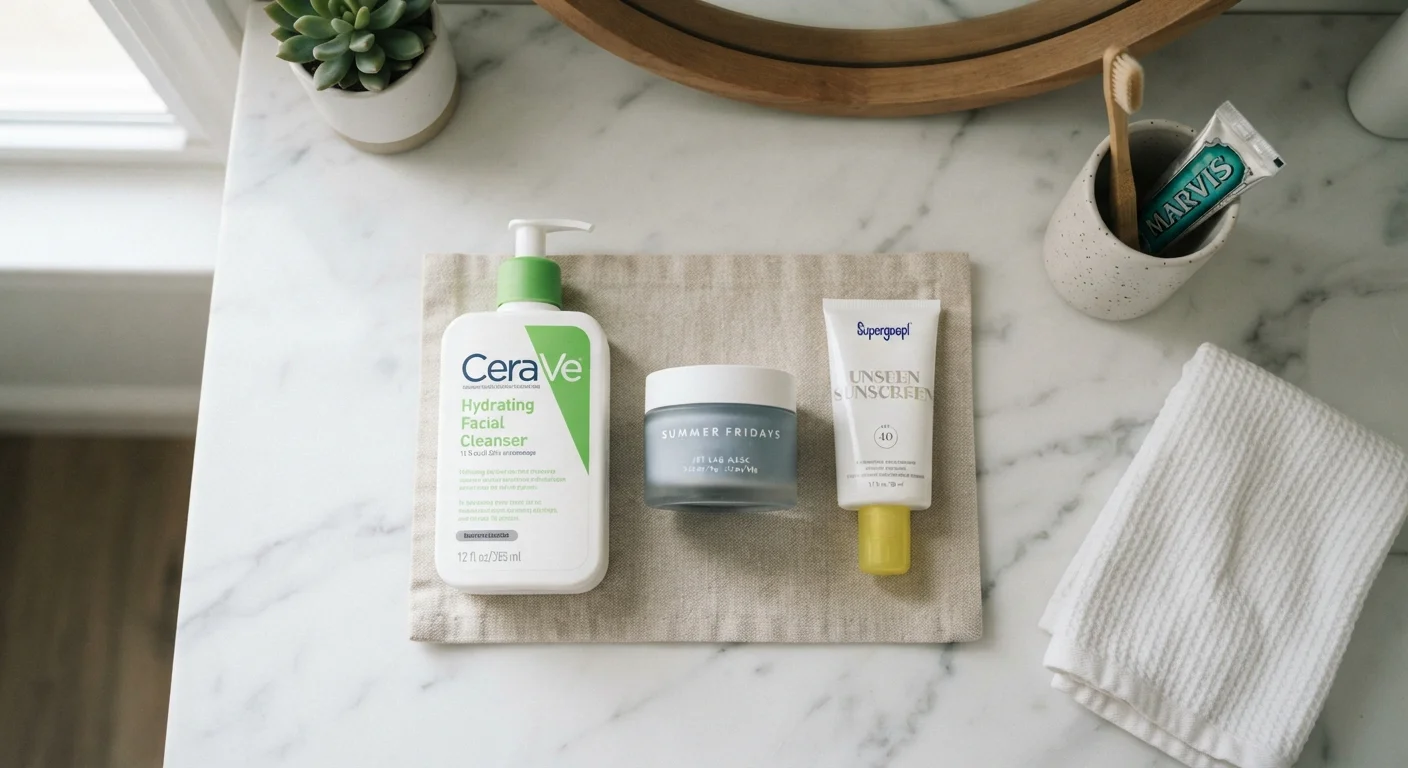
What you will need
Why a Simple Routine Beats a Complicated One
Walk into any beauty aisle and you'll find serums, toners, essences, eye creams, and a dozen other products all competing for space on your shelf. The reality? Dermatologists consistently note that a short, consistent routine outperforms an elaborate one you'll abandon by week two. The fundamentals-a gentle cleanser, a moisturizer suited to your skin type, and a broad-spectrum SPF-form the backbone of nearly every effective skincare plan.
If you're curious about taking things further after nailing the basics, our guide on layering skincare products explains the logic behind sequencing additional steps. But for now, let's build the foundation.
What you will need
Your Morning Routine
The goal of your morning routine is to prep skin for the day-clearing away overnight oils, locking in moisture, and shielding your skin from UV exposure. Think of it as a daily act of protection.
Wash your face with a gentle cleanser
Wet your face with lukewarm water-not hot, which can strip natural oils. Apply a small amount of cleanser and massage gently in circular motions for about 30 to 60 seconds. Rinse thoroughly and pat (don't rub) dry with a clean towel.
Apply moisturizer to damp skin
While your skin is still slightly damp, smooth on a pea- to dime-sized amount of moisturizer across your face and neck. Applying to damp skin helps lock in hydration more effectively than waiting until your face is fully dry.
Finish with SPF (morning only)
Sunscreen is the most evidence-supported step in any daytime routine. Apply a broad-spectrum SPF 30 or higher as the last step before heading outside-after moisturizer, not before. Cover your face, ears, and the back of your neck if exposed.
Double cleanse in the evening if needed
If you've worn sunscreen, makeup, or both during the day, start your PM routine with an oil-based cleanser or micellar water to break down those products, followed by your regular gentle cleanser. This two-step process-often called double cleansing-ensures your skin is truly clean before you apply anything else.
Moisturize again before bed
Nighttime is an ideal moment for a slightly richer moisturizer if your skin tends toward dryness, since there's no concern about how it interacts with makeup or SPF. Apply the same way as the morning routine-to slightly damp skin using gentle upward strokes.
Skin Type Shapes Your Product Choices
Oily skin generally benefits from lightweight, gel-based formulas. Dry skin responds well to richer creams. Combination skin may need a lighter touch in the T-zone. If you're unsure of your skin type, a dermatologist or licensed esthetician can help you identify it quickly and point you toward appropriate formulas.
Your Evening Routine
Nighttime skincare is about restoration. While you sleep, skin cell turnover naturally increases, making the PM routine a smart window for deeper cleansing and nourishing products. You don't need SPF at night, but don't skip the cleanser-especially if you've been wearing makeup or sunscreen all day.
Don't Skip the PM Cleanse
Going to bed with sunscreen, pollutants, or makeup on your skin is one of the most common missteps in skincare. These residues can clog pores and interfere with your skin's natural overnight repair process. Even on nights when you're tired, a quick cleanse makes a meaningful difference over time.
Once you feel confident with these basics, you might enjoy exploring how a minimal makeup routine can complement your skincare regimen without adding major complexity. And if you're shopping for anything new to add to your shelf, our readiness checklist for new skincare products is a practical next step.
Making It Stick
The hardest part of any routine is building the habit. Keep your products somewhere visible-on the bathroom counter rather than tucked in a drawer-so the routine becomes automatic. Pairing it with an existing habit, like brushing your teeth, can help it feel less like a separate chore.
If you share your routine with family members or are helping a teenager get started, family lifestyle guidance can offer useful context around building healthy daily habits for all ages. Men looking for a stripped-back starting point can also find grounded advice in our men's grooming basics guide.
This article provides general skincare information for educational purposes only and is not a substitute for advice from a licensed dermatologist or healthcare professional. If you experience persistent skin concerns, irritation, or reactions, consult a qualified provider.