

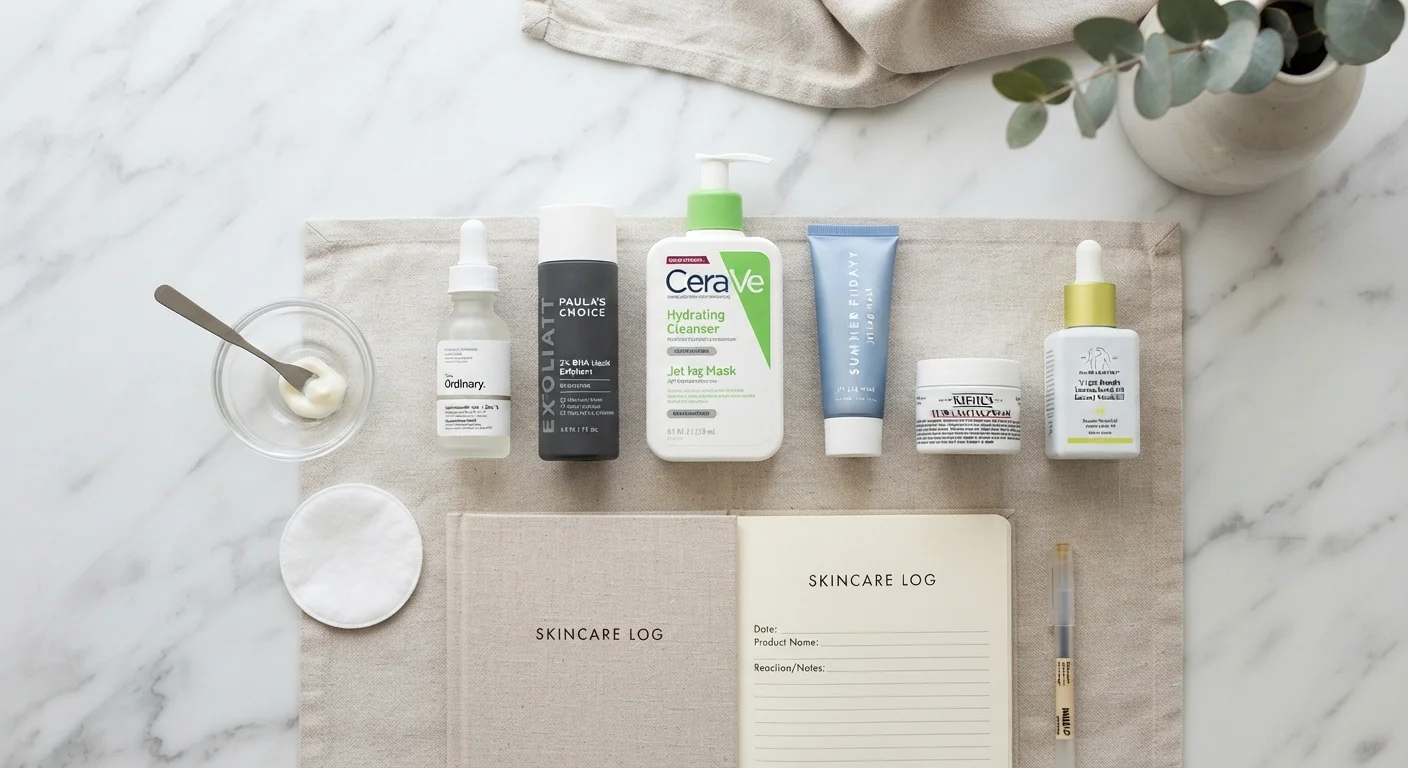
Key Takeaways
- Patch testing before full application helps catch reactions before they spread.
- Introducing one new product at a time makes it easier to pinpoint the cause of any irritation.
- Knowing your skin type and sensitivities upfront saves you time, money, and discomfort.
- Tracking your skin's response over several days gives you reliable, actionable information.
- Reading ingredient lists before purchasing helps you avoid known irritants and allergens.
Summary
18 items · 20-40 minutes
Why a Readiness Check Matters
Trying a new skincare product is exciting - but diving in without a plan is one of the most common ways people end up with irritated, broken-out, or confused skin. The real problem isn't the product itself; it's the lack of a system for introducing it safely.
This checklist gives you that system. Whether you're adding a serum, a new moisturizer, or your first chemical exfoliant, these steps help you gather the right information, test smartly, and respond quickly if something goes sideways. Before you open the packaging, it's worth spending a few minutes with our ingredient label guide to understand what you're actually applying to your skin.
Before You Buy
Patch Testing
Introducing the Product
Tracking Your Skin's Response
What You'll Need
You don't need a lab or a dermatologist on call to do this well. A few basic tools will set you up to test and track like a pro.
Cotton pads or swabs
Apply a small, controlled amount of product to a patch test area without cross-contaminating the rest of the formula.
Notebook or notes app
Track daily skin observations, product usage, and any reactions during the introduction period.
Smartphone camera
Photograph baseline skin condition in consistent lighting so you can objectively compare changes over time.
Ingredient-checking resource
Cross-reference a product's ingredient list against known irritants and allergens before patch testing begins.
Common Pitfalls to Avoid
Even with the best intentions, a few habits can derail a smooth product introduction. The biggest offender: layering multiple new products at once. If your skin reacts, you'll have no way to know which product caused it. Commit to one new item at a time, every time.
It's also worth considering how new products interact with what's already in your routine. Some ingredients - like retinoids and certain acids - can amplify each other's potency in ways that irritate skin. If you're building out a broader routine, the hygiene and storage habits covered in our makeup hygiene guide apply here too, especially for products used near the eyes or lips.
Don't Layer New Actives All at Once
Combining multiple new active ingredients - like a retinol and a new AHA exfoliant - at the same time can overwhelm the skin barrier and make it impossible to identify what's causing a reaction. Introduce one active ingredient product at a time and allow your skin adequate time to adjust before adding another. When in doubt, simpler routines tend to be kinder to reactive skin.
Reactions Are Not Always Immediate
Some sensitivities and contact reactions develop after several days of use, not within the first application. Don't assume a product is fully compatible after just one or two uses. Maintain your tracking log for at least two full weeks to catch delayed responses before committing to regular use.
This article is for general informational and educational purposes only. It is not a substitute for professional medical or dermatological advice. If you experience a severe reaction, persistent irritation, or have a known skin condition, consult a licensed healthcare provider before continuing use of any product.