

Key Takeaways
- Most sodium in the American diet comes from packaged and restaurant foods, not table salt.
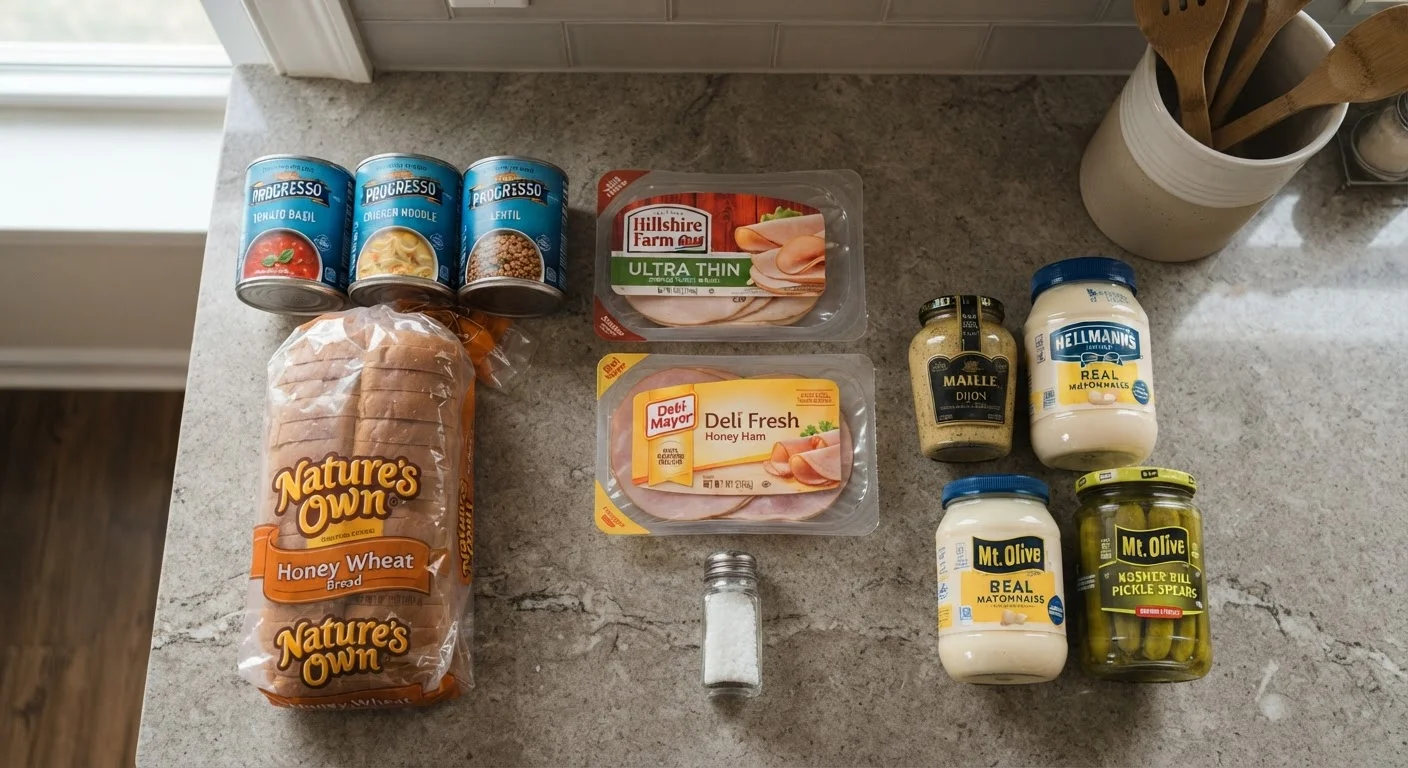
- Bread, deli meats, canned soups, and condiments are among the highest hidden sodium sources.
- Comparing nutrition labels across similar products can reveal significant sodium differences.
- Simple swaps - like choosing low-sodium versions or rinsing canned beans - can meaningfully reduce intake.
- The Dietary Guidelines for Americans suggest limiting sodium to 2,300 mg per day for most adults.
Why Sodium Adds Up Before You Reach the Salt Shaker
Most Americans consume well above the recommended daily sodium limit - yet many of us rarely add extra salt to our food. The disconnect is explained by a straightforward fact: roughly 70 percent of the sodium in the average American diet comes from processed, packaged, and restaurant foods, according to the CDC. The salt is already built in, often invisibly, before a meal reaches your plate.
This isn't a reason for alarm. Understanding where sodium hides is a practical first step toward making more informed choices - without obsessing over every meal. The Dietary Guidelines for Americans recommend that most adults aim for no more than 2,300 milligrams (mg) of sodium per day, roughly equivalent to one teaspoon of table salt. Knowing which foods contribute most can help you prioritize where attention is worthwhile.
Learning to read a Nutrition Facts label is one of the most useful skills for spotting sodium before it accumulates. The list below covers the everyday food categories that tend to fly under the radar.
Bread and Rolls
Bread is one of the top contributors to daily sodium intake in the U.S. - not because a single slice is particularly high, but because most people eat multiple servings throughout the day. A typical slice of sandwich bread contains anywhere from 100 to 200 mg of sodium. Two slices for a sandwich, a dinner roll, and toast at breakfast can combine to deliver 500 mg or more before any filling is added.
Look for labels marked "reduced sodium" or compare milligrams per serving across brands at the grocery store. The variation between similar products is often surprising.
Eating bread several times a day quietly stacks sodium before toppings are even considered.
Canned Soups and Broths
Canned soup is among the most sodium-dense packaged foods available. A single can - which many people consume as one serving - can contain 800 to over 1,500 mg of sodium. Ready-to-use chicken and vegetable broths used for cooking are similarly concentrated, sometimes delivering 900 mg per cup.
Low-sodium and no-salt-added versions of both soups and broths are widely available and perform similarly in recipes. When cooking from scratch, homemade broths allow full control over salt content.
A single can of soup can account for more than half of a day's recommended sodium allowance.
Deli Meats and Processed Proteins
Cured and processed meats - including deli turkey, ham, salami, and hot dogs - are preserved and flavored with substantial amounts of sodium. A two-ounce serving of deli turkey (roughly three to four slices) can contain 400 to 600 mg of sodium, and that's before condiments or cheese are added to a sandwich.
Opting for "low-sodium" deli options, or preparing roasted meats at home for slicing, are practical alternatives for frequent sandwich eaters.
Just a few slices of deli meat can contribute 400-600 mg of sodium to a single sandwich.
Condiments and Sauces
Condiments are easy to overlook because they're used in small quantities - but the sodium per tablespoon is remarkably high in many common products. Soy sauce contains roughly 900 mg per tablespoon. Ketchup, hot sauce, Worcestershire sauce, and bottled salad dressings each add sodium that accumulates quickly across a meal.
Using condiments mindfully, choosing reduced-sodium versions where available, or making simple dressings at home with herbs and acid (such as lemon juice or vinegar) can reduce this category's contribution considerably.
A single tablespoon of soy sauce can contain nearly 900 mg of sodium - 40% of the daily limit.
Cheese
Cheese is a nutritious source of calcium and protein, but it is also a meaningful source of sodium. Most natural cheeses contain 150 to 400 mg of sodium per ounce, with processed cheese slices and spreads typically on the higher end. A standard two-ounce portion of cheese on a burger or in a sandwich can contribute 300 to 800 mg of sodium - often unnoticed.
Fresh cheeses like ricotta, mozzarella, and Swiss tend to be lower in sodium than aged varieties like parmesan or feta, making them useful swaps in everyday cooking.
Processed cheese slices can contain more sodium per ounce than many people expect from a dairy food.
Restaurant and Takeout Meals
Restaurant meals - particularly from fast-food chains and casual dining establishments - routinely exceed the full daily recommended sodium intake in a single entrée. Industry research has found that many popular restaurant dishes range from 2,000 to 4,000 mg of sodium per serving. Portion sizes, sauces, and side items all add to the total.
When eating out frequently, strategies such as requesting sauces on the side, choosing grilled over fried preparations, or splitting larger dishes can help moderate intake without eliminating dining out entirely.
A single restaurant entrée can easily exceed the full recommended daily sodium limit of 2,300 mg.
Building Awareness Without Overcomplicating Your Diet
Reducing hidden sodium doesn't require a complete kitchen overhaul. Small, consistent adjustments - choosing a lower-sodium broth, rinsing canned beans before cooking, or splitting a restaurant entrée - compound over time into genuinely meaningful differences in daily intake.
A Simple Label Comparison Habit
When choosing between two similar packaged products - canned beans, frozen meals, or broths - flip both to the Nutrition Facts panel and compare sodium per serving. Choosing the lower-sodium option consistently, even when the difference seems small, can reduce daily intake by hundreds of milligrams over time. Aim for products with 140 mg or less per serving to qualify as "low sodium" by FDA labeling standards.
When building your weekly grocery list, comparing sodium levels between two similar products is one of the easiest ways to cut intake without changing what you eat. Similarly, being aware that ultra-processed foods frequently carry high sodium loads alongside other nutritional trade-offs can sharpen your overall label-reading habits.
This article is for general informational purposes only and is not a substitute for personalized medical or dietary advice. If you have concerns about your sodium intake or a health condition affected by diet, please consult a qualified healthcare professional.