

Key Takeaways
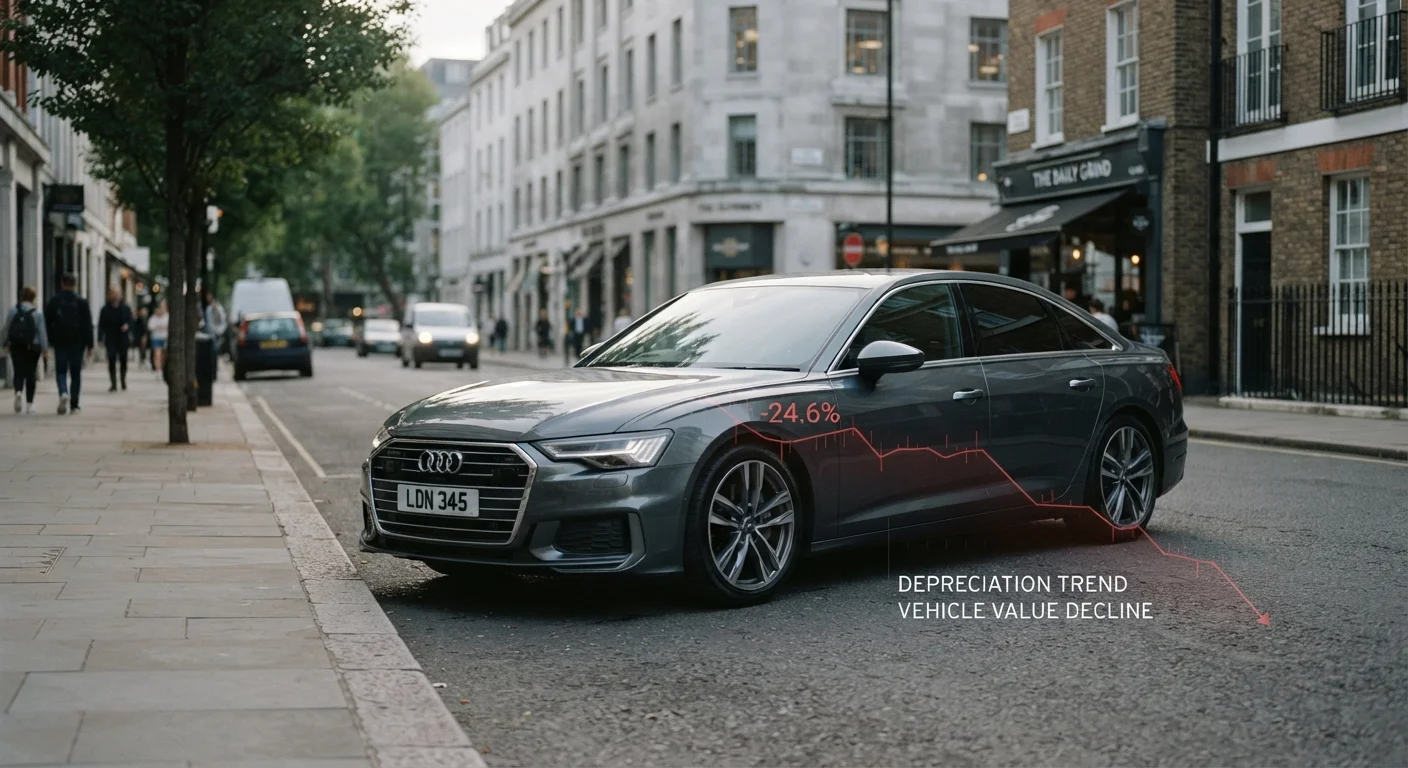
- A new car typically loses 15-25% of its value within the first year of ownership.
- Mileage, condition, brand reputation, and market demand all influence how quickly a car depreciates.
- Depreciation is often the single largest cost of car ownership, exceeding fuel and maintenance combined.
- Keeping a car well-maintained and in good condition can meaningfully preserve its resale value.
- Understanding depreciation helps you make smarter decisions about buying, leasing, or selling a vehicle.
Start here
What Is Car Depreciation?
Next
How Fast Does a Car Lose Value?
Go deeper
Key Factors That Affect Depreciation
Apply it
Why Depreciation Matters for Your Finances
Take action
Practical Ways to Slow the Rate of Depreciation
What Is Car Depreciation?
Depreciation is the decline in a vehicle's monetary value over time. Unlike a home or certain investments that may appreciate, a car is a depreciating asset - its value falls from the moment it changes hands. This isn't a flaw in the system; it's a predictable economic reality tied to wear, aging technology, and shifting consumer demand.
For car owners, depreciation represents a real financial cost even if it never shows up on a monthly statement. When you eventually sell or trade in your vehicle, the difference between what you paid and what you receive is the depreciation you absorbed during ownership. It's part of the true cost of owning a car - one explored in detail in our guide on the real cost of owning a car beyond the sticker price.
Depreciation
The reduction in an asset's value over time. For vehicles, it reflects wear, aging, and changes in market demand.
Actual Cash Value (ACV)
The market value of a vehicle at a specific point in time, accounting for depreciation. Insurers often use ACV to calculate payouts after a total loss.
Resale Value
The amount a vehicle is expected to sell for on the used market. Resale value is directly affected by how much the vehicle has depreciated.
Depreciating Asset
Any item that loses value over time through use, aging, or obsolescence. Cars are a classic example of a depreciating asset.
Front-Loaded Depreciation
The pattern where the steepest value losses occur in the earliest years of ownership, with the rate of decline slowing as the vehicle ages.
How Fast Does a Car Lose Value?
Depreciation is front-loaded - the steepest drops happen early in a vehicle's life. A new car commonly loses a significant portion of its value in the first year, with the rate gradually slowing as the vehicle ages. By years three through five, the annual rate of decline tends to stabilize, though value continues to fall.
Several broad patterns are generally observed across the market:
- Year 1: Roughly 15-25% of original value lost
- Years 1-3: Cumulative loss of approximately 30-40%
- Years 1-5: Cumulative loss often reaching 50-60%
These are general estimates. Actual depreciation depends heavily on the factors covered in the next section, and individual vehicles can deviate significantly from these averages.
Depreciation Rates Vary Widely by Vehicle
The figures commonly cited for depreciation are averages across broad vehicle categories. Individual vehicles can depreciate significantly faster or slower depending on brand reputation, market conditions, and specific trim levels. Used market demand - which shifts with fuel prices, economic conditions, and consumer trends - also plays a meaningful role in real-world resale values.
Key Factors That Affect Depreciation
Not all cars depreciate at the same rate. Several variables shape how quickly - or slowly - a given vehicle loses value:
- Mileage
- Each mile driven signals additional wear. Higher-than-average mileage accelerates depreciation because it suggests more mechanical use and potential future repair costs to buyers.
- Condition
- A vehicle with clean paint, a well-maintained interior, and no accident history will command more at resale than a comparable car showing visible wear or reported damage. Where you store your car also plays a role - see our look at how garage vs. street parking affects your vehicle over time.
- Brand and model reputation
- Vehicles associated with strong reliability and consumer satisfaction tend to retain value better. Market perception matters as much as engineering reality.
- Supply and demand
- When a particular vehicle type is in high demand and short supply, used prices can hold up unusually well. Conversely, oversupply pushes values down faster.
- Fuel type and technology
- Shifts in consumer preference - such as interest in fuel-efficient or electric vehicles - can affect resale values for vehicles that fall outside trending categories.
- Color and features
- Neutral colors and popular option packages generally attract broader buyer interest, supporting stronger resale prices compared to unusual colors or sparse configurations.
Maintenance Records Add Real Resale Value
Buyers and appraisers pay close attention to service history when evaluating a used vehicle. Keeping receipts, digital records, or a dealer-stamped logbook of all maintenance work makes your car more competitive at resale and can directly support a higher asking price.
Why Depreciation Matters for Your Finances
Depreciation is widely considered one of the largest single costs of car ownership - in many cases outpacing what drivers spend on fuel or insurance over the same period. Understanding it matters in several practical financial contexts:
- Buying decisions: Choosing a used vehicle that has already absorbed its steepest depreciation can offer meaningful savings compared to buying new. The vehicle's function may be identical, but the cost is substantially lower.
- Leasing vs. financing: Lease payments are essentially structured around paying for the expected depreciation during the lease term. Understanding this dynamic is foundational to evaluating leasing vs. financing a car clearly.
- Insurance payouts: If your car is totaled, most policies pay actual cash value - the depreciated market value at the time of loss. Knowing this distinction matters before you need to make a claim. Our guide on actual cash value vs. replacement cost covers this in depth.
- Household budgeting: Factoring depreciation into your overall household budget gives you a more accurate picture of what vehicle ownership actually costs each year.
Practical Ways to Slow the Rate of Depreciation
You can't stop depreciation, but you can manage it. The following practices help preserve resale value over time:
- Follow your maintenance schedule: Keeping up with oil changes, tire rotations, brake inspections, and other scheduled services demonstrates responsible ownership and reduces the likelihood of costly mechanical problems. A structured approach to this is outlined in our guide to car maintenance schedules.
- Keep records: A documented service history is tangible evidence for future buyers that the vehicle was cared for properly.
- Protect the exterior and interior: Regular washing, waxing, and addressing minor paint chips or interior wear preserves the vehicle's appearance and perceived value.
- Manage mileage thoughtfully: If you drive far above average annually, that mileage will be reflected in resale appraisals. This doesn't mean avoiding necessary driving, but it's worth factoring in when choosing which vehicle to use for long trips.
- Avoid significant modifications: Aftermarket changes that deviate from stock configurations can limit your buyer pool and often don't add proportionate value at resale.
Don't Assume All Modifications Add Value
Aftermarket upgrades - custom wheels, audio systems, performance parts - often appeal to a narrower range of buyers than stock configurations. In practice, many modifications recover little of their installation cost at resale and can sometimes lower a vehicle's appraised value if they fall outside buyer expectations.
This article provides general educational information about vehicle depreciation and is not financial or legal advice. For decisions about vehicle purchases, financing, or insurance, consult a qualified professional and review all relevant documentation carefully.