

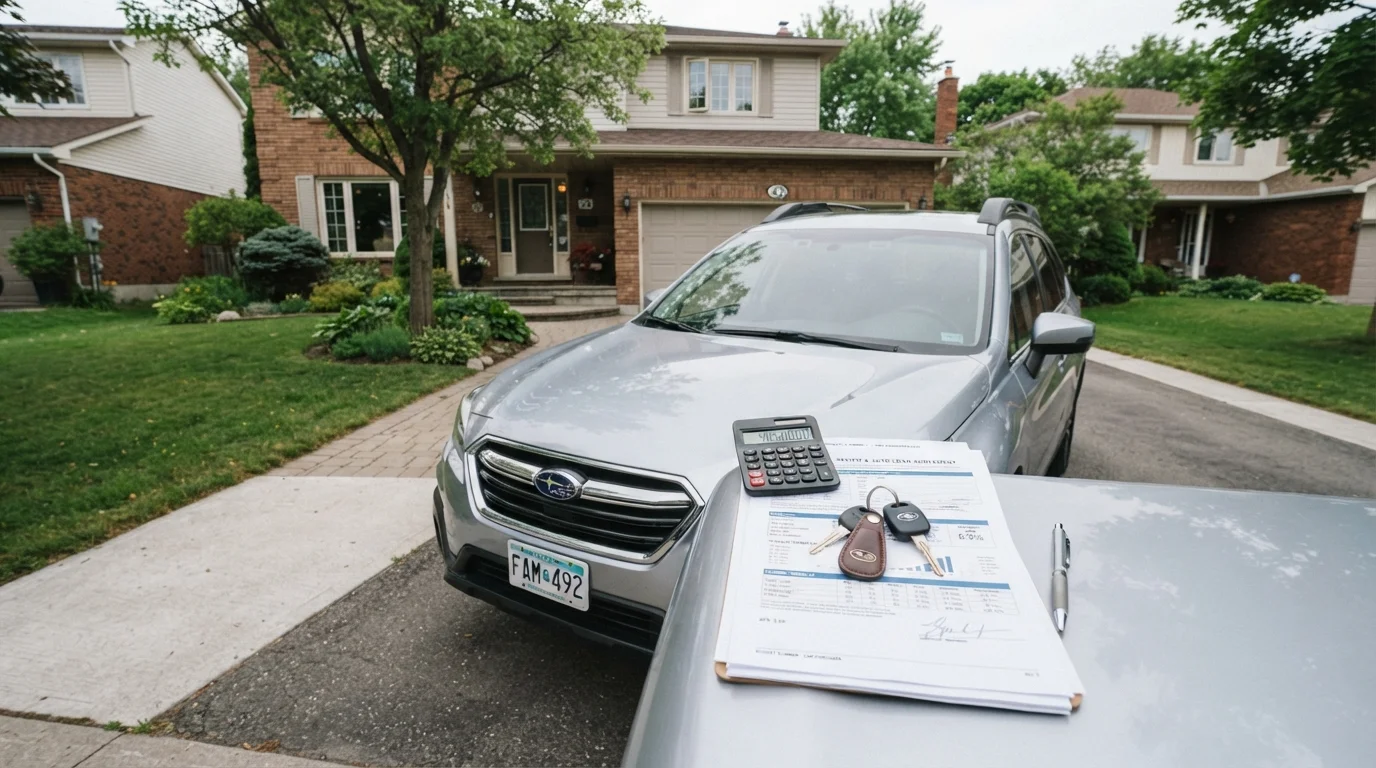
Key Takeaways
- Depreciation is typically the single largest cost of owning a vehicle, especially in the first few years.
- Insurance, fuel, and maintenance together often rival or exceed a monthly car payment.
- Older vehicles may lower your monthly payment but increase maintenance and repair costs.
- Registering and titling a vehicle carries state-level fees that vary widely across the U.S.
- Building a dedicated vehicle expense fund helps prevent budget surprises from unexpected repairs.
True Cost of Car Ownership
The true cost of car ownership refers to the total amount a driver spends on a vehicle over time, including not just the purchase price but every recurring and one-time expense that follows - insurance, fuel, maintenance, registration, and depreciation. Most consumers underestimate this figure considerably. Understanding the full picture allows for more realistic budgeting and smarter vehicle decisions.
Automotive analysts often calculate total cost of ownership (TCO) on a per-mile or annual basis to allow comparisons across vehicle types, ages, and usage patterns.
Why the Sticker Price Is Only the Beginning
When most people budget for a car, they think in terms of the down payment and monthly installment. Those numbers are real, but they represent only a portion of what vehicle ownership actually costs. The full picture includes a cluster of ongoing, recurring, and sometimes unpredictable expenses that follow you for as long as you own the car.
Getting a clear view of every cost category - before you commit - is one of the most practical things you can do for your household budget. As the Budgeting Basics hub notes, unplanned recurring expenses are among the most common reasons otherwise careful budgets go sideways. Vehicles are a prime example.
~$12,000
Estimated annual cost of owning a new vehicle
AAA's annual Your Driving Costs study has repeatedly estimated total new-vehicle ownership costs in this range, factoring in depreciation, fuel, insurance, and maintenance.
15-20%
Typical first-year depreciation on a new car
Industry estimates commonly cite a new vehicle losing roughly 15-20% of its value in year one, with further declines in subsequent years.
~$2,000+
Average annual auto insurance premium (U.S.)
National averages for full-coverage auto insurance have exceeded $2,000 annually in recent years, according to insurance industry data, though rates vary widely by state and driver profile.
Depreciation: The Cost You Can't Avoid
Depreciation - the loss in a vehicle's market value over time - is consistently the largest cost component of car ownership, yet it receives the least attention because no invoice arrives in the mail. A new vehicle can shed a significant portion of its value within the first three years simply by being driven and aged.
The rate of depreciation is influenced by make, model, mileage, condition, and broader market demand. Luxury vehicles and certain segments tend to depreciate faster than others. For a thorough breakdown of how this process works, see our guide on how a car loses value over time.
From a budgeting perspective, depreciation matters because it represents real wealth leaving your hands even if you never miss a payment. If you later sell or trade in the vehicle, you'll receive less than you paid - and that gap is your realized depreciation cost.
Insurance, Fuel, and Maintenance
Insurance is a legally required recurring expense in nearly every U.S. state, and the cost varies substantially based on your location, driving record, coverage level, and the vehicle itself. Understanding what each coverage type actually protects is worth your time - our guide on what you're actually paying for in auto insurance breaks down the line items clearly. You can also explore the Auto & Home Insurance hub for broader guidance.
Fuel costs depend on how much you drive, local gas prices, and your vehicle's fuel efficiency rating. Over the course of a year, fuel is often the most variable line item in a vehicle budget - small changes in driving habits or efficiency can add up meaningfully.
Maintenance includes predictable items like oil changes, tire rotations, and filter replacements, as well as less predictable repairs. Vehicles with higher mileage tend to require more frequent attention. Drivers who invest in preventive care often avoid costlier repairs down the road - a principle explored in depth in our piece on keeping a car running past 150,000 miles.
Build a Vehicle Expense Fund
Rather than treating car repairs as emergencies, consider setting aside a fixed amount each month into a dedicated savings buffer. Even $50-$100 monthly can cover most routine maintenance and cushion against moderate repairs. This approach - sometimes called a sinking fund - smooths out the unpredictable nature of vehicle costs over time.
Registration, Taxes, and Financing Costs
Annual vehicle registration fees are set at the state level and can range from under $50 to several hundred dollars depending on where you live and the value or weight of your vehicle. Some states also levy annual personal property taxes on vehicles, which add to the total.
If you financed your purchase, interest charges over the life of the loan represent a real cost on top of the vehicle's price. A longer loan term reduces the monthly payment but increases the total interest paid. For a deeper look at how financing compares to leasing, see our article on leasing vs. financing a car.
This article is for general informational purposes only and does not constitute financial or legal advice. Costs vary widely by location, vehicle, and individual circumstances. Consult a qualified financial professional for guidance tailored to your situation.