

Key Takeaways
- A vehicle history report is essential - pull one before you even schedule a viewing.
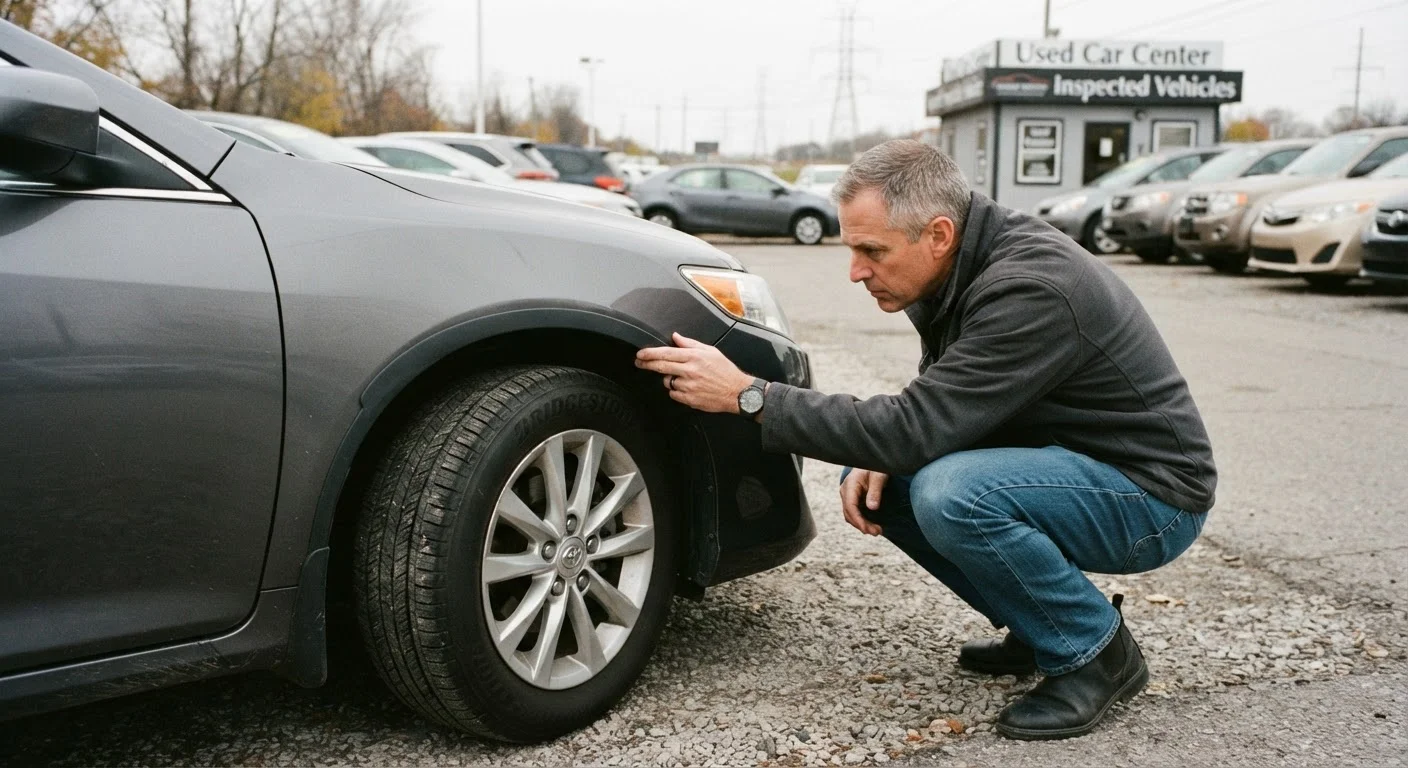
- Exterior rust, mismatched paint, and uneven panel gaps can signal prior collision damage.
- Always insist on a test drive that includes highway speeds and hard braking.
- A pre-purchase inspection by an independent mechanic is one of the most valuable steps you can take.
- Verify the VIN on the vehicle matches every document before signing anything.
- Understand the full ownership cost - not just the purchase price - before committing.
Summary
28 items · 45-90 minutes on-site, plus time for a pre-purchase inspection
Why a Checklist Matters More Than Your Gut Feeling
Buying a used car is one of the largest purchases most Americans make outside of real estate. Yet it's easy to let excitement - or seller pressure - push you toward a decision before you've done the work. A structured checklist keeps emotion out of the equation and ensures you don't miss a critical item in the heat of the moment.
Before you even set foot on a lot or driveway, pull a vehicle history report on any car you're seriously considering. Our guide on reading a vehicle history report explains which sections matter most and what red flags to watch for. Combine that report with the hands-on checks below and you'll be in a far stronger position than most buyers.
If you're buying from a private seller rather than a dealer, the stakes are often higher - fewer protections, no lot warranty, and more room for misrepresentation. First-time private-party buyers make predictable, costly mistakes that this checklist is designed to help you avoid.
Before You Visit
Exterior Inspection
Interior Inspection
Mechanical & Under the Hood
Test Drive
Paperwork & VIN Verification
Tools You'll Want to Bring
You don't need a mechanic's kit to run a solid pre-purchase inspection, but a few basic items will help you check things a casual glance misses.
Flashlight or phone torch
Illuminates dark areas under the hood, beneath the car, and inside the trunk to spot leaks, rust, or hidden damage.
Tire tread depth gauge
Provides an accurate measurement of remaining tread so you can estimate how soon tires will need replacement.
OBD-II scanner (basic)
Reads stored and pending diagnostic trouble codes from the vehicle's computer - useful for investigating a check-engine light.
Notepad or checklist app
Lets you record findings in real time so nothing is forgotten when comparing multiple vehicles later.
Magnet (small)
Can help identify areas where body filler was used to repair dents - filler is non-magnetic, unlike bare steel.
After the Checklist: What to Do With What You Find
No used car will be flawless - minor wear is expected. What matters is distinguishing between cosmetic imperfections (acceptable, negotiable) and structural or mechanical problems (potentially disqualifying or expensive). Use your checklist findings as a negotiating tool or as a reason to walk away.
Never Skip the Independent Mechanic
A seller who refuses to allow a pre-purchase inspection by an independent mechanic of your choosing is a significant red flag. Legitimate sellers with nothing to hide generally welcome the scrutiny. If access to a mechanic is denied, walk away - the risk of an undisclosed mechanical problem is simply too high to accept.
If the car passes your visual and mechanical checks, don't skip a formal pre-purchase inspection (PPI) by an independent, licensed mechanic of your choosing - not one recommended by the seller. A PPI typically costs between $100 and $200 and can surface issues invisible to an untrained eye, from worn CV joints to early transmission problems.
Also think beyond the purchase price itself. Registration fees, insurance, fuel, and maintenance add up quickly. Our breakdown of the real cost of owning a car will help you budget realistically before you sign. And if financing is part of your plan, review the pre-loan checklist to evaluate your readiness before taking on new debt.
Beware of Title Washing and Salvage Titles
Some vehicles with rebuilt or salvage titles are retitled in different states to obscure their history - a practice known as title washing. Always cross-reference the vehicle history report with the physical title document. A salvage or rebuilt title doesn't automatically mean the car is unsafe, but it dramatically changes the risk profile, insurance eligibility, and resale value. Consult a licensed mechanic and possibly an attorney if you encounter title irregularities.
This article is for general informational and educational purposes only. It does not constitute legal, financial, or professional mechanical advice. Always consult a licensed mechanic or qualified professional before making significant vehicle purchasing decisions.