

Key Takeaways
- Skipping a pre-purchase inspection by a licensed mechanic is the costliest mistake first-time buyers make.
- Private sellers are not legally required to disclose all known defects in most U.S. states - buyer beware applies.
- Always verify the title is clean and matches the seller's ID before any money changes hands.
- Emotional urgency and low prices can cloud judgment; slow down and follow a process.
- Understand your auto insurance obligations before you drive the car home.
Why Private-Party Purchases Attract First-Timers - and Where Things Go Wrong
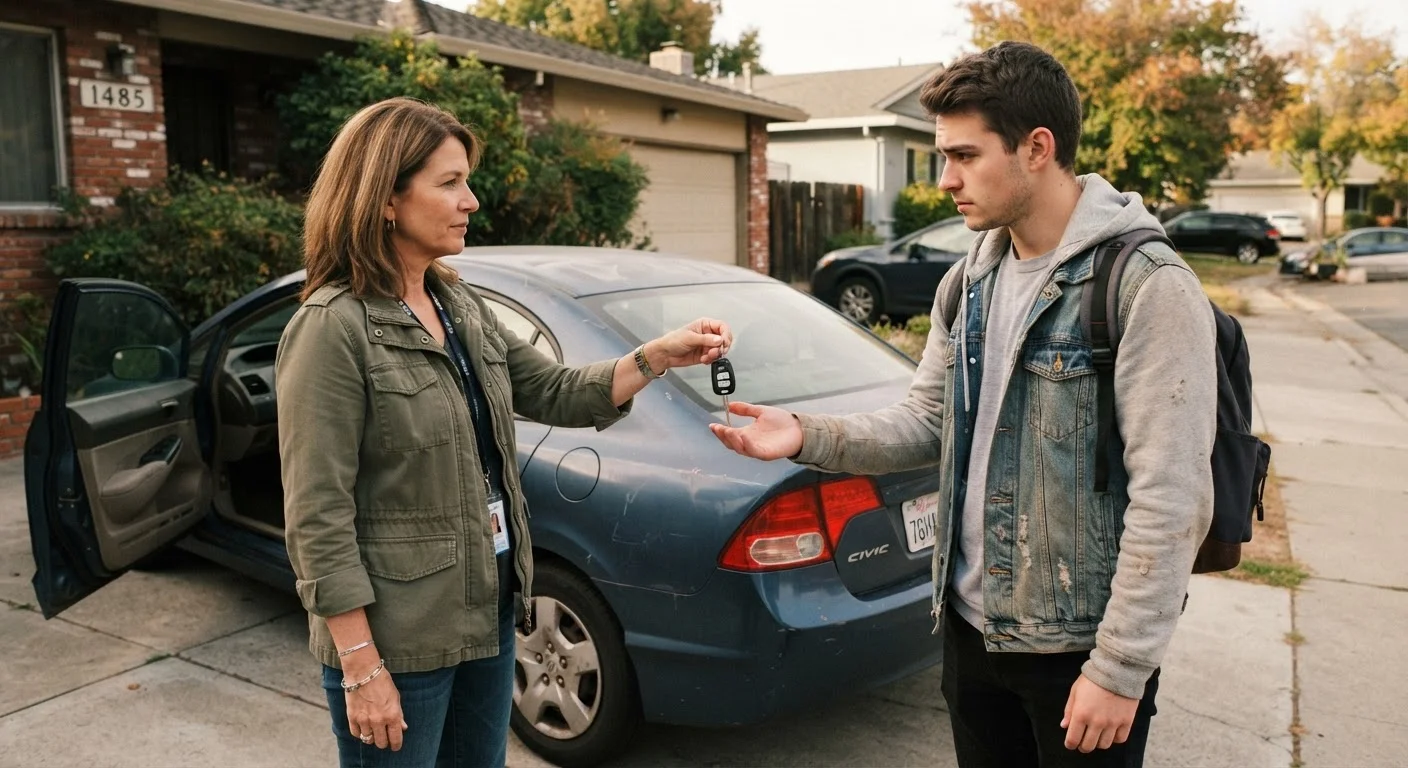
Buying a used car directly from an individual seller often means a lower asking price and more room to negotiate than at a dealership. For first-time buyers watching a tight budget, that appeal is completely rational. But the private-party market also removes many of the consumer protections that come with a licensed dealer - no implied warranty, no regulatory oversight of the seller, and no financing office to flag title issues. That gap is where expensive mistakes happen.
The errors below aren't signs of carelessness. They're predictable traps that arise from a lack of familiarity with the process. Knowing them in advance is the single most effective preparation you can do. For a broader look at due diligence on any used vehicle, see our pre-purchase checklist.
Skipping the independent pre-purchase inspection.
Why it happens: First-timers often feel awkward asking a seller to wait while a mechanic looks at the car, or they assume a visual inspection and test drive are sufficient.
Failing to run a vehicle history report or misreading it.
Why it happens: Buyers either skip the report to save a small fee, or they pull one but don't know which flags actually matter - treating a clean-looking report as a full guarantee.
Not verifying the title and confirming the seller legally owns the vehicle.
Why it happens: Handing over money feels like the exciting final step, and title paperwork seems like a formality. Buyers sometimes don't look closely at documents under social pressure.
Letting emotional attachment or urgency override due diligence.
Why it happens: A seller may mention other interested buyers, or the car may seem like an unusually good deal. First-timers are especially vulnerable to fear of missing out.
Paying with cash or a digital transfer without a written bill of sale.
Why it happens: Private sales often feel informal, and buyers assume a handshake or a text exchange is sufficient documentation.
The Financial and Legal Side You Can't Afford to Overlook
Once you've done your mechanical and documentation homework, the transaction itself carries its own risks. Private sales are typically final - there is no cooling-off period or return policy. That makes it critical to treat the paperwork with the same rigor as the test drive.
~40%
Used car sales that are private-party transactions
Industry estimates consistently place private-party sales at roughly 40% of all used vehicle transactions in the U.S., underscoring how common - and consequential - these purchases are.
$1,000+
Typical cost of hidden mechanical issues discovered post-purchase
Consumer automotive research suggests undisclosed mechanical problems discovered after a private sale frequently exceed $1,000 in repair costs, reinforcing the value of a pre-purchase inspection.
On the financial side, consider how this purchase fits into your broader picture. A used car is often one of the larger line items in a household budget. If you're financing privately or through a bank, review how the monthly obligation lands against your existing expenses - our budgeting basics hub has straightforward frameworks for this. If you're carrying existing debt, it's worth understanding how a new loan affects your credit profile before signing anything; our debt and credit guidance covers the fundamentals.
Finally, insurance is not optional - and it needs to be in place before you drive the car home, not after. If you're new to buying your own policy, our first-timer's auto insurance orientation explains coverage types and what to watch for when comparing quotes.
Never Transfer Payment Before the Title Is in Hand
Wiring money, using peer-to-peer payment apps, or handing over cash before you physically hold a clean, signed-over title leaves you with little legal recourse if the deal falls apart. In most states, you have no ownership claim until the title transfer is properly completed. If a seller requests full payment before providing the title, walk away.