

Key Takeaways
- Conditioner smooths the hair's outer cuticle layer - it doesn't repair structural damage inside the strand.
- Regular conditioner is a maintenance step, not a treatment for scalp conditions or hair loss.
- Fine hair can become weighed down with heavy conditioners; texture and porosity matter when choosing a formula.
- Deep conditioners and masks go further than rinse-outs - but even they have limits.
- Persistent hair or scalp concerns deserve professional attention, not just a product swap.
Hair Conditioner
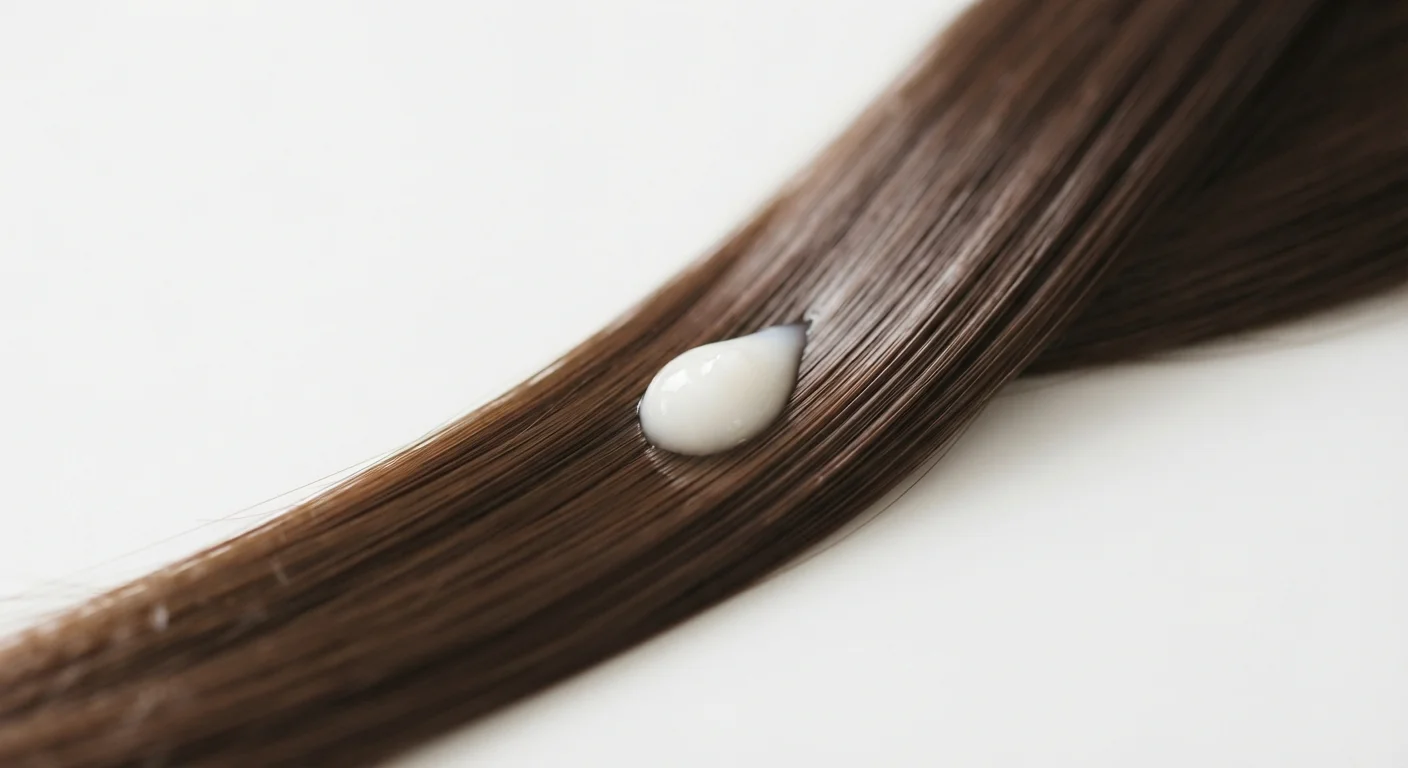
Hair conditioner is a rinse-out or leave-in product applied after shampooing that smooths the outer layer of each hair strand, reduces friction, and helps hair feel softer and easier to comb. Most conditioners work by depositing positively charged ingredients that bond temporarily to the negatively charged surface of hair, sealing down lifted cuticles. The result is less tangles, more shine, and reduced breakage during styling.
The active smoothing agents in most conditioners are quaternary ammonium compounds (quats) such as behentrimonium chloride, which electrostatically adhere to the hair shaft rather than penetrating the cortex.
What Conditioner Is Actually Doing to Your Hair
Every hair strand is coated by a cuticle - a shingle-like outer layer that, when healthy, lies flat and reflects light evenly. Washing hair raises those cuticles, and shampooing strips away some of the sebum that helps keep them smooth. Conditioner's primary job is to re-flatten those raised cuticles and deposit a thin layer of lubricating ingredients that make hair easier to manage.
Most rinse-out conditioners rely on positively charged conditioning agents that cling to the negatively charged surface of the hair shaft. This temporary bond fills in micro-gaps along the cuticle, reducing friction between strands. The payoff: less tangling, reduced static, and a smoother look and feel. Ingredients like fatty alcohols and silicones add slip and shine as a bonus.
Crucially, conditioner works almost entirely on the surface. It doesn't penetrate deep into the cortex - the inner structure where the bulk of a strand's strength lives. That distinction matters when you're trying to decide what conditioner can realistically solve. See our guide to ingredient pairings for a closer look at how these molecules interact with other products in your routine.
Apply Conditioner the Right Way
For most hair types, conditioner works best when applied from mid-shaft to ends - not the scalp. Leave it on for at least two to three minutes before rinsing to give the conditioning agents time to bond to the cuticle. Rinsing with cool water at the end can help smooth the cuticle further and boost shine.
What Conditioner Cannot Fix
Conditioner is genuinely useful, but it's often expected to do things it simply isn't built for. Here's where it reaches its limit:
- Structural damage: Chemical processing, heat, and over-manipulation can break the disulfide bonds inside the cortex. Conditioner can make damaged hair look and feel better by smoothing the cuticle, but it cannot rebuild those broken bonds. A professionally applied bond-building treatment is a different category of product entirely.
- Split ends: A conditioner can temporarily bind a split end so it snaggs less - but the split is still there. Scissors remain the only real solution.
- Scalp conditions: Dandruff, seborrheic dermatitis, and product buildup are scalp issues, not hair issues. Applying conditioner to the scalp may actually worsen buildup. Scalp care requires a completely different approach than hair conditioning.
- Hair loss or thinning: Conditioner can reduce breakage from combing stress, but it doesn't address shedding from hormonal shifts, nutrient deficiencies, or medical causes. Those concerns deserve a conversation with a healthcare professional. For more context on what's normal, see our overview of thinning hair and when to seek advice.
Conditioner Buildup Is Real
Using conditioner with silicones or heavy waxes over time can lead to product buildup that makes hair feel coated, dull, or heavy. A clarifying shampoo used occasionally can help reset the hair shaft. If you're unsure how ingredients in your products interact, our ingredient compatibility guide is a useful starting point.
Matching Conditioner to Your Hair Type
Not every conditioner works for every head of hair, and using the wrong formula can create new problems. Porosity - how readily your hair absorbs and retains moisture - is one of the most practical factors to consider.
High-porosity hair (often chemically treated or naturally coarse) absorbs products quickly but loses moisture just as fast. Richer formulas with heavier moisturizing ingredients tend to help seal that open cuticle. Low-porosity hair resists product absorption; lightweight, water-based conditioners are generally easier to rinse clean and less likely to sit on top of the strand and cause buildup. Fine hair benefits from targeted application - conditioner on ends only, well away from roots - to avoid limpness.
Your shampoo choice also affects how much work your conditioner has to do. Harsher formulas strip more natural oils, leaving hair more reliant on conditioning to restore manageability. Our explainer on sulfate-free vs. traditional shampoo covers how your cleanser sets the stage for everything that follows.
When to Step Up to a Deeper Treatment
If your regular conditioner isn't keeping up - hair stays dry, feels rough between washes, or breaks more than expected - it may be time to consider a more intensive option. Deep conditioners and hair masks use higher concentrations of the same conditioning agents, combined with longer contact time, to work more thoroughly into the cuticle layer.
They're not an everyday swap; they're a supplement. Most people find them useful weekly or biweekly, depending on hair's condition and texture. Our full breakdown of deep conditioning vs. regular conditioning explains how to know when each one earns a place in your routine - and how often is actually enough.
If you've tried adjusting formulas and frequency without improvement, the issue may lie upstream of conditioning entirely - in how you're cleansing, styling, or caring for your scalp. Persistent concerns are worth a conversation with a dermatologist or licensed cosmetologist who can assess what's actually going on.
This article is for general informational and educational purposes only and is not a substitute for professional hair or medical advice. Consult a qualified healthcare provider or dermatologist for personal concerns about scalp conditions, hair loss, or significant hair changes.