

Key Takeaways
- Losing 50-100 hairs per day is considered normal for most adults.
- True thinning involves a decrease in hair density or strand thickness, not just increased shedding.
- Common triggers include hormonal shifts, nutritional gaps, stress, and certain medications.
- Traction alopecia from tight styles is preventable and often reversible if caught early.
- Persistent or patchy hair loss warrants a conversation with a dermatologist or healthcare provider.
- Hair health is closely linked to overall health - what's happening inside often shows up outside.
Hair Thinning
Hair thinning refers to a noticeable reduction in hair density, volume, or strand diameter over time. It's distinct from everyday shedding, which is a normal part of the hair growth cycle. Thinning can affect the entire scalp or appear in specific patches, and it may be temporary or long-lasting depending on the underlying cause.
Dermatologists distinguish between anagen effluvium (loss during the active growth phase, often caused by medications), telogen effluvium (shedding triggered by stress or illness), and androgenetic alopecia (pattern hair loss tied to hormones and genetics).
Shedding vs. Thinning: Understanding the Difference
Hair loss language gets used loosely, and that imprecision matters. Shedding is the natural release of hairs that have completed their growth cycle - every strand on your head cycles through growth (anagen), transition (catagen), and rest (telogen) phases before falling out. Losing 50 to 100 hairs daily through this process is completely normal.
Thinning is something different. It refers to a measurable reduction in hair density (fewer strands per square inch) or strand diameter (finer, more fragile individual hairs). You might notice your ponytail circumference shrinking, a wider part line, or more scalp visibility. That's the signal worth investigating.
Understanding hair density and structure can give you a clearer baseline for tracking your own hair's health over time.
50-100
Hairs shed per day considered normal
This range is widely cited by dermatology resources and reflects the natural turnover of the hair growth cycle in healthy adults.
~50%
Women experience noticeable hair loss by age 50
According to the American Academy of Dermatology, roughly half of women will experience some degree of visible hair thinning by their mid-50s.
2-3 months
Delay between trigger and telogen effluvium shedding
Shedding related to stress, illness, or hormonal events typically appears weeks to months after the triggering event, making the cause less obvious without awareness.
Common Causes of Hair Thinning
Hair thinning rarely has a single cause, and identifying the right one matters for addressing it effectively. Here are the most common culprits:
- Hormonal changes: Pregnancy, postpartum recovery, menopause, thyroid dysfunction, and polycystic ovary syndrome (PCOS) can all disrupt the hair cycle. Postpartum shedding, for example, is extremely common and typically resolves within several months.
- Androgenetic alopecia: Often called pattern hair loss, this hereditary condition causes follicles to shrink over time in response to androgens. It affects people of all genders and tends to progress gradually.
- Nutritional deficiencies: Low iron, insufficient protein, and deficits in zinc or vitamin D are frequently linked to increased shedding. Crash dieting or restrictive eating patterns can trigger telogen effluvium.
- Physical or emotional stress: Major stressors - illness, surgery, grief, or extreme work pressure - can push follicles into a resting phase simultaneously, causing noticeable shedding weeks to months later.
- Styling and mechanical damage: Tight hairstyles that pull consistently on follicles can cause traction alopecia. This is distinct from the mid-shaft breakage that comes from heat or chemical damage - though both can make hair appear thinner.
- Medications and medical treatments: Certain blood pressure medications, antidepressants, hormonal contraceptives, and chemotherapy agents are known to affect hair growth. Always consult a healthcare provider before adjusting any medication.
What Hair Care Habits Can (and Can't) Do
Good grooming habits support the hair you have and protect new growth - but they can't reverse follicular loss on their own. Here's an honest breakdown:
What helps: Gentle handling (especially when wet), minimizing heat exposure, avoiding over-processing with chemicals, and maintaining regular trims to prevent breakage from split ends traveling up the shaft. Scalp health also matters - a clean, well-circulated scalp creates a better environment for growth.
What conditioning products can and can't fix: Moisturizing and strengthening treatments improve the appearance and resilience of existing hair, but as noted in our overview of what conditioner actually does, they don't treat the follicle itself. If thinning is follicular in origin, topical products alone won't reverse it.
Color-treated hair: Chemical processing stresses the hair shaft and can exacerbate brittleness. If you're experiencing thinning alongside color treatment, maintaining healthy habits between salon visits can reduce cumulative damage.
Track Changes Before Your Appointment
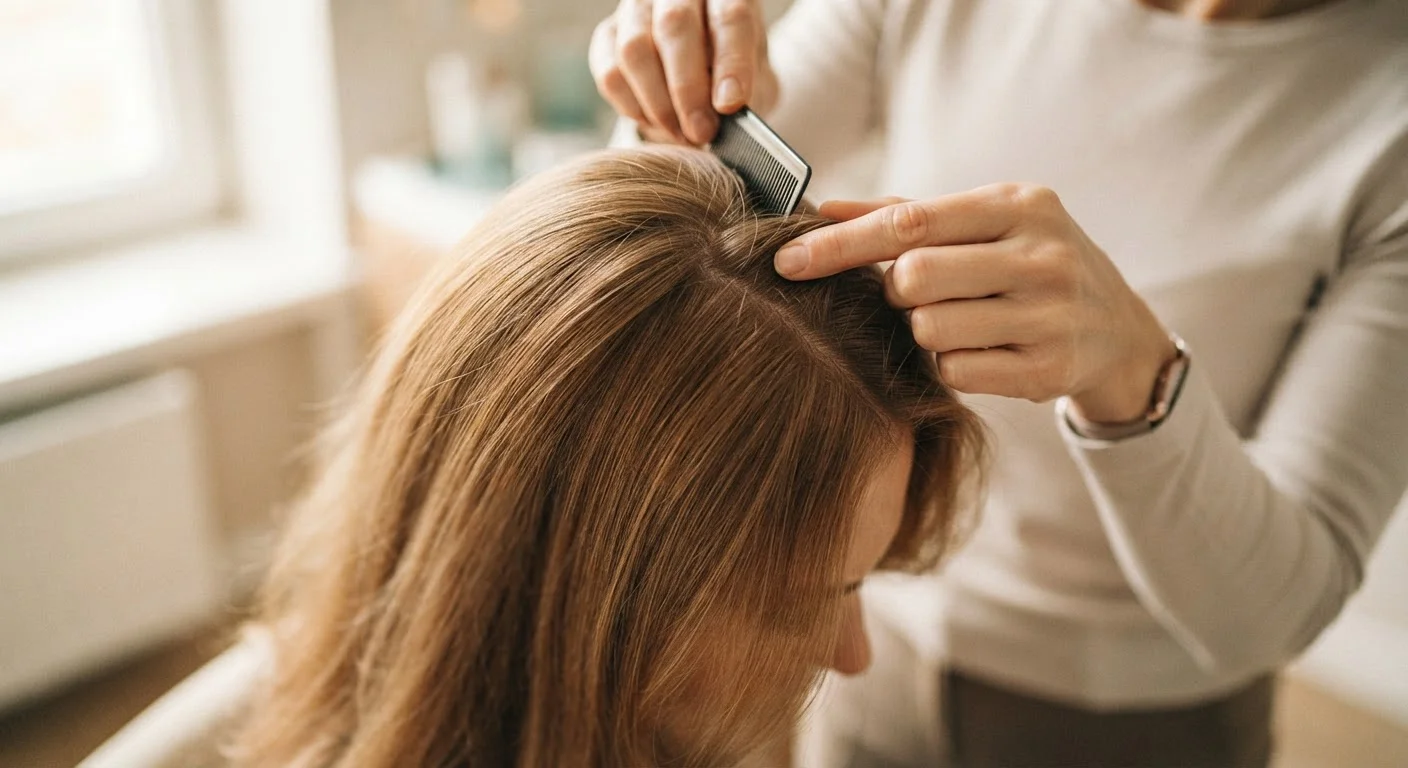
If you're planning to see a dermatologist, a few weeks of simple observation can make your visit much more productive. Note when the shedding or thinning started, any life events around that time (illness, major stress, dietary changes, new medications), and where on the scalp the change is most visible. Photos taken in consistent lighting can help you and your provider see patterns over time.
When to Seek Professional Advice
Not every moment of increased shedding requires a medical appointment - but some patterns do. Consider reaching out to a dermatologist or your primary care provider if you notice:
- Sudden or patchy hair loss rather than gradual overall thinning
- Shedding that feels significantly elevated for more than two to three months
- Scalp changes alongside hair loss - redness, itching, scaling, or tenderness
- Hair loss accompanied by other symptoms such as fatigue, weight changes, or skin changes (which may signal a systemic condition)
- A visible widening part line or shrinking ponytail girth that is progressing over time
A healthcare provider may order blood tests to check thyroid function, iron levels, hormones, and nutritional markers. A dermatologist can perform a scalp examination or, in some cases, a biopsy to identify the type of hair loss. Early evaluation tends to offer more options.
This article is for general informational purposes only and is not a substitute for professional medical advice. If you have concerns about hair loss or changes to your scalp health, please consult a qualified healthcare provider.
“Hair loss is often one of the most emotionally distressing things a patient can experience, yet it's also one of the most undertreated - people assume it's cosmetic, but the scalp is an organ, and changes to it can reflect what's happening throughout the body.”
— Dr. Shani Francis, Board-certified dermatologist and hair loss specialist