

Key Takeaways
- Secondhand shopping can significantly lower clothing costs for casual and workday basics.
- Some categories - like activewear, underwear, and swimwear - are generally better bought new.
- Online resale platforms have expanded access beyond local thrift stores.
- Knowing your measurements and style preferences before browsing saves time and reduces impulse buys.
- Condition matters more than price - inspect items carefully before purchasing.
Significantly lower prices on quality basics
Items that retail for $60-$120 often appear secondhand in good condition for a fraction of that. This allows a modest clothing budget to stretch further without sacrificing durability.
Access to better-made older garments
Construction standards and fabric weights in older garments - particularly from before the mid-2000s - were often higher than what you'll find at comparable price points today. Secondhand can surface genuinely well-made pieces.
Low-risk way to try new styles
Picking up a trend piece or a style outside your comfort zone secondhand keeps the financial stakes low if it doesn't work out the way you hoped.
Outerwear and denim are strong value picks
Both categories hold their structure well through multiple owners, and condition is usually easy to assess before buying - making them reliable secondhand targets.
Online platforms expand your search beyond local inventory
Resale apps and websites let you filter by size, condition, and type, which dramatically improves the odds of finding what you're actually looking for compared to in-store browsing alone.
Inconsistent sizing and limited availability
You can't guarantee your size will be in stock, and garment sizing has shifted across decades, making labeled sizes unreliable. Extended sizes are also undersupplied in most secondhand channels.
Some categories are hygiene-sensitive
Underwear, swimwear, and certain intimates are widely considered unsuitable for secondhand purchase due to hygiene concerns that standard washing may not fully resolve.
Activewear degrades in ways that aren't always visible
Elastic waistbands and performance fabrics lose their stretch and moisture-wicking properties over time. A secondhand athletic legging may look fine but perform poorly during actual use.
Time investment is higher than retail shopping
Finding quality items secondhand requires browsing, inspecting, and often multiple visits or searches. For people with limited time, this cost can outweigh the savings.
Condition can be misrepresented online
When buying from resale platforms, photos don't always reveal wear, odor, or damage accurately. Returns are sometimes unavailable or inconvenient depending on the seller.
Our Verdict
Secondhand shopping genuinely works for building out the everyday layers of a practical wardrobe - jeans, outerwear, casual tops, and workwear basics among them. It rewards patience and some upfront self-knowledge, and it's not the right channel for every item. Used thoughtfully alongside new purchases, it's one of the most effective ways to dress well without overspending.
Anyone building or refreshing a practical everyday wardrobe on a limited budget who has a clear sense of what they actually wear - and enough patience to browse with intention.
Why Secondhand Has Become a Real Option for Everyday Clothes
Thrifting used to mean digging through crowded racks on a gamble. That's still part of the picture, but the resale landscape has shifted considerably. Online platforms have made it possible to search by size, color, and condition from your couch, while traditional thrift stores in many areas have grown their inventory and organized their floor plans. For everyday Americans trying to dress well on a tight budget, secondhand is no longer a fallback - it's a legitimate strategy.
The core appeal is straightforward: quality items that have already been worn in, priced well below retail. But the practical reality is more nuanced. Secondhand works brilliantly in some categories and falls genuinely short in others. Understanding where the line sits helps you shop smarter rather than just shop more.
$350B+
Projected global secondhand market value by 2028
According to ThredUp's resale industry reports, the secondhand and resale clothing market has grown consistently year-over-year, driven in part by online platform adoption.
1 in 3
Americans who bought secondhand clothing in a recent year
ThredUp's annual Resale Report has consistently found that a significant share of U.S. consumers have purchased used clothing, with the number growing each year.
Where Secondhand Shopping Earns Its Reputation
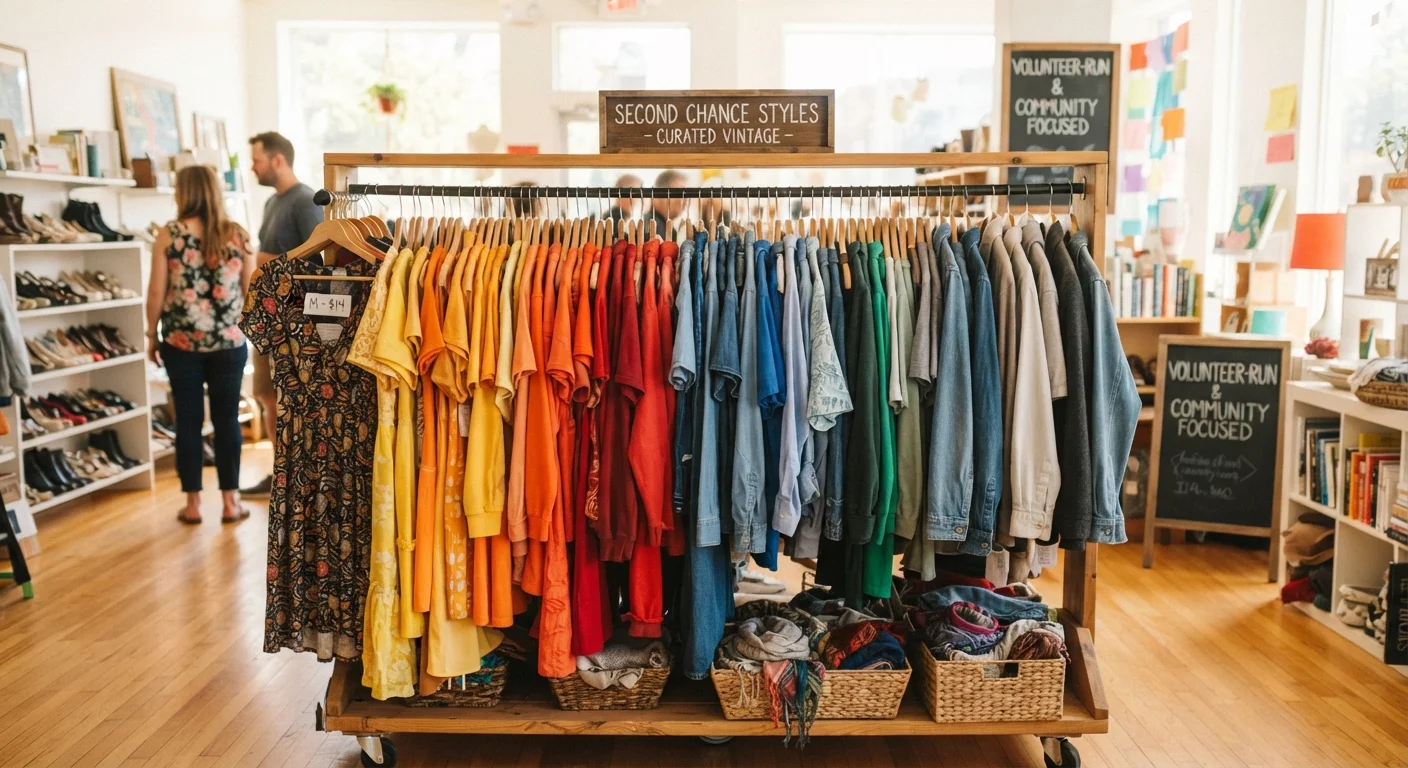
Certain clothing categories are almost tailor-made for the resale market. Denim is perhaps the strongest example - jeans hold their structure well, wear in nicely, and can be assessed for fit and condition at a glance. Outerwear follows a similar logic: a well-made jacket or coat depreciates in price quickly but not in function, meaning you can often find items in excellent shape for a fraction of original cost.
Casual tops, blazers, structured trousers, and dress shirts also tend to perform well secondhand, especially in natural fiber blends that age gracefully rather than pilling quickly. If you've done a closet audit and know which basics you actually reach for, you'll be able to shop with focus rather than impulse.
Significantly lower prices on quality basics
Items that retail for $60-$120 often appear secondhand in good condition for a fraction of that. This allows a modest clothing budget to stretch further without sacrificing durability.
Access to better-made older garments
Construction standards and fabric weights in older garments - particularly from before the mid-2000s - were often higher than what you'll find at comparable price points today. Secondhand can surface genuinely well-made pieces.
Low-risk way to try new styles
Picking up a trend piece or a style outside your comfort zone secondhand keeps the financial stakes low if it doesn't work out the way you hoped.
Outerwear and denim are strong value picks
Both categories hold their structure well through multiple owners, and condition is usually easy to assess before buying - making them reliable secondhand targets.
Online platforms expand your search beyond local inventory
Resale apps and websites let you filter by size, condition, and type, which dramatically improves the odds of finding what you're actually looking for compared to in-store browsing alone.
Secondhand is also a smart channel for trend pieces. If you're curious about a style direction but not ready to commit, picking it up used keeps the financial risk low. For a fuller look at when trends are worth pursuing at all, see our piece on evaluating seasonal trends.
Where Secondhand Falls Short
Not every item makes sense to buy used, and being honest about that saves both money and frustration. Some categories carry hygiene concerns that are difficult to fully resolve through washing alone. Others simply don't hold up well enough through multiple ownership cycles to be worth the savings.
Inconsistent sizing and limited availability
You can't guarantee your size will be in stock, and garment sizing has shifted across decades, making labeled sizes unreliable. Extended sizes are also undersupplied in most secondhand channels.
Some categories are hygiene-sensitive
Underwear, swimwear, and certain intimates are widely considered unsuitable for secondhand purchase due to hygiene concerns that standard washing may not fully resolve.
Activewear degrades in ways that aren't always visible
Elastic waistbands and performance fabrics lose their stretch and moisture-wicking properties over time. A secondhand athletic legging may look fine but perform poorly during actual use.
Time investment is higher than retail shopping
Finding quality items secondhand requires browsing, inspecting, and often multiple visits or searches. For people with limited time, this cost can outweigh the savings.
Condition can be misrepresented online
When buying from resale platforms, photos don't always reveal wear, odor, or damage accurately. Returns are sometimes unavailable or inconvenient depending on the seller.
There's also a practical challenge around fit and availability. Unlike retail, secondhand inventory is unpredictable - you can't simply order your size. This means that if you need a specific item reliably (say, a particular pant length for work, or extended sizes that are undersupplied in most thrift stores), secondhand may not be dependable enough to be your primary channel. Knowing this upfront prevents wasted trips and helps you plan which items to buy new from the start.
How to Thrift More Effectively
The biggest shift that separates successful secondhand shoppers from frustrated ones is going in with clarity. Know your measurements - not just general sizing, since secondhand items may have shrunk or stretched - and have a rough sense of what gaps you're filling. A plan for a versatile wardrobe gives you a filter to apply to anything you pick up.
When examining items, check fabric condition at the elbows, underarms, collar, and hem - these are the spots that show wear first. Look for pilling, fading, and stress points at the seams. Items that already look tired will look worse after washing. Our guide to why clothes stop looking good before they wear out walks through what to watch for.
A Note on Online Resale Platforms
Resale apps and websites have made secondhand shopping more accessible, but they come with their own tradeoffs. Shipping costs, return policies, and seller accuracy vary widely. Reading item descriptions carefully, reviewing seller ratings where available, and confirming measurement details before purchasing reduces the chance of disappointment. Treat online secondhand purchases as final sale unless the platform's return policy explicitly states otherwise.
Once you bring secondhand pieces home, care matters more than ever. Used items may have already absorbed some wear, so following proper laundering practices extends their remaining life. See our guide on extending the life of everyday clothes through proper care for the practices that genuinely make a difference.