

Key Takeaways
- Washing clothes less frequently and at lower temperatures significantly reduces fabric wear.
- Drying methods matter as much as washing - heat is one of the biggest culprits behind garment deterioration.
- Proper storage, including folding versus hanging the right items, prevents stretching and shape loss.
- Reading and following care labels is one of the simplest habits with the highest return.
- Treating stains promptly and correctly prevents permanent damage that shortens a garment's lifespan.
Why Garment Care Matters More Than You Think
Most clothes don't wear out from being worn - they wear out from being washed, dried, and stored carelessly. Friction from tumbling dryers, heat that breaks down elastic fibers, and improper folding that stresses seams all take a quiet toll that adds up over months. Understanding what actually causes deterioration puts you in control.
If you've ever noticed a favorite shirt lose its shape, a dark pair of jeans fade fast, or a sweater pill after just a few wears, those outcomes are usually avoidable. Our guide on why clothes stop looking good before they wear out goes deep on the specific culprits - and spoiler: most of them happen in the laundry room.
Care Labels Are Legally Required - and Worth Reading
In the U.S., the Federal Trade Commission (FTC) requires manufacturers to attach permanent care labels to most clothing items. These labels carry specific symbols and instructions based on actual testing of the fabric. Treating them as optional is one of the most common (and costly) mistakes in garment care.
Best Practices for Washing and Drying
The laundry cycle is where the most damage happens - and where small changes make the biggest difference.
Wash clothes only when they actually need it - not after every single wear.
Every wash cycle puts mechanical stress on fibers, fades color, and wears down fabric structure. Washing less often is one of the most effective ways to extend garment life without any additional effort.
Use cold water and a gentle cycle for most garments.
Hot water accelerates color fading, can shrink natural fibers, and degrades elastic faster. Cold water cleans effectively for everyday soil and is far gentler on fabric.
Air-dry whenever possible instead of using a machine dryer.
Tumble dryers are one of the leading causes of premature garment wear - the heat breaks down elastic and synthetic fibers, while friction causes pilling and surface damage. Air-drying eliminates both threats.
Always check and follow the care label before washing a new garment.
Manufacturers test their garments and set care instructions for a reason. Ignoring a 'dry clean only' or 'lay flat to dry' label often results in irreversible damage that wouldn't have occurred otherwise.
Treat stains immediately rather than waiting until laundry day.
Stains set into fibers over time, especially with heat. A stain treated within minutes is far more likely to come out completely than one that has dried and been through a wash cycle.
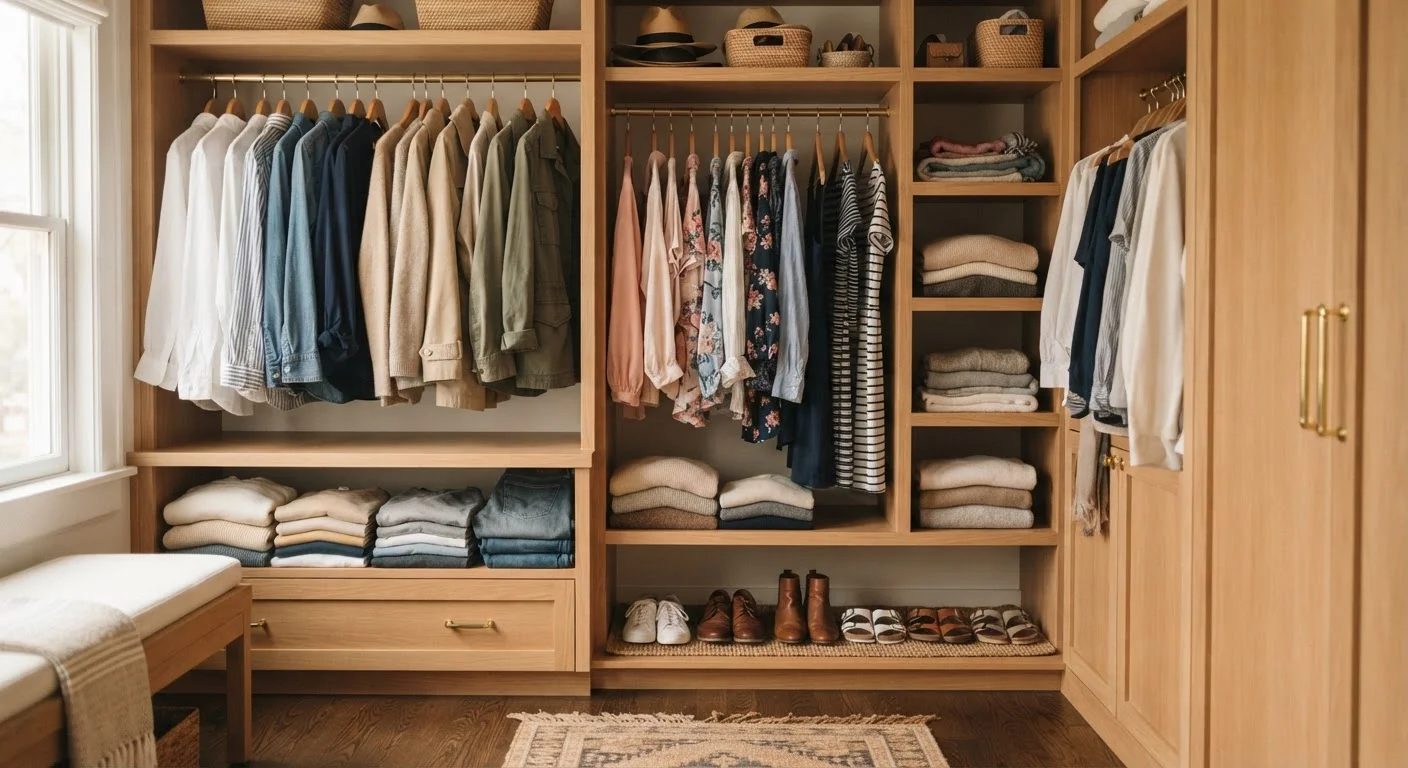
Store knitwear and heavy items folded rather than hung.
Hanging heavy or stretchy garments causes them to elongate at the shoulders over time due to gravity and the pressure of the hanger. Folding preserves their original shape.
Understanding your fabrics is also foundational here. Cotton, linen, wool, and synthetics each respond differently to heat and agitation. Our overview of fabric basics every everyday dresser should understand breaks down exactly what each material needs.
Storage, Stain Treatment, and Long-Term Habits
What happens between wears matters just as much as the wash cycle. Clothes that are stored correctly hold their shape far longer - and a garment you treat well is a garment you won't need to replace soon. That's a genuine win for your budget and your closet.
If you're building a wardrobe with longevity in mind, it's worth pairing good care habits with smart buying decisions. Our piece on dressing well on a tight budget and our look at shopping secondhand for everyday clothes both reinforce a core idea: the longer each piece lasts, the more value you get out of every dollar spent.
~$1,700
Average annual American clothing spend
According to U.S. Bureau of Labor Statistics consumer expenditure data, American households spend roughly this amount on apparel and related services annually - making longevity a meaningful financial consideration.
Up to 40%
Reduction in garment lifespan from high-heat drying
Textile researchers have noted that repeated high-heat machine drying is one of the most significant contributors to accelerated fiber breakdown and reduced garment durability.
Fit also plays a role in longevity - clothes that fit well tend to be pulled on and off more gently, stress seams less, and look better for longer. See our piece on why fit matters more than the label for more on that connection.
“Clothing care is an investment in what you already own. The best wardrobe isn't the one with the most pieces - it's the one where every piece still looks the way it did the day you brought it home.”
— Patric Richardson, Laundry expert and author of 'Laundry Love'