

Key Takeaways
- A routine exam covers every major body system, not just the concern that brought you in.
- Vets detect early problems through touch and observation before symptoms become obvious to owners.
- Dental health, lymph nodes, and weight trends are among the most telling indicators of overall wellness.
- What your vet finds during the exam often determines whether additional testing, like bloodwork, is recommended.
- Sharing behavioral changes at home helps your vet connect physical findings to real-world symptoms.
Routine Veterinary Physical Exam
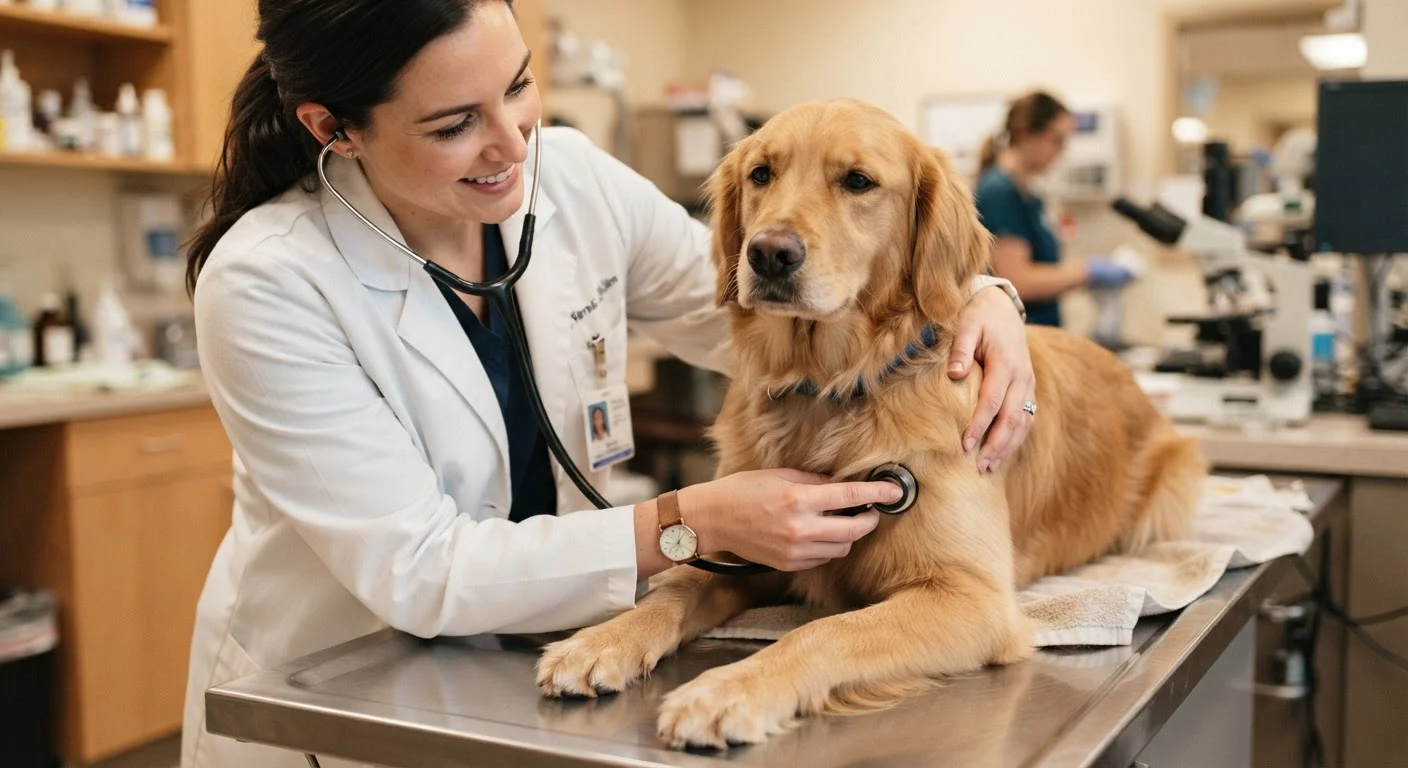
A routine physical exam is a systematic, head-to-tail assessment your veterinarian performs to evaluate your pet's overall health. Using their eyes, hands, ears, and basic tools like a stethoscope and otoscope, the vet checks each body system for early signs of disease or abnormality. It typically takes 15-30 minutes and forms the foundation of preventive pet care.
Veterinarians often refer to this as a "complete physical examination" or CPE. It follows a standardized protocol but is adapted based on the animal's species, age, and known health history.
Why the Physical Exam Is the Cornerstone of Pet Health
When your pet trots into the exam room, your vet begins gathering information immediately - before any instrument is picked up. Posture, gait, alertness, and coat condition are all noted from across the room. This is intentional. Many health clues are visible only when an animal is moving naturally and hasn't yet registered the stress of being handled.
The physical exam is the single most important diagnostic tool a veterinarian uses at every visit. It costs no additional fee, requires no laboratory, and can surface concerns that would otherwise go undetected for months. For wellness visits and sick appointments alike, the hands-on exam anchors everything that follows.
80%
Dogs with dental disease by age 3
According to the American Veterinary Medical Association, the majority of dogs show signs of periodontal disease by their third birthday, often without visible symptoms.
1 in 3
Pets with a hidden condition at wellness visits
Veterinary studies suggest a significant proportion of pets presenting for routine exams have an undetected health issue identified during the physical assessment.
15-30 min
Typical duration of a routine physical exam
Most standard wellness exams fall within this window, though senior pets or those with complex histories may require additional time.
Head to Tail: What Each Check Actually Reveals
Eyes, Ears, and Nose
The vet examines the eyes for cloudiness, discharge, redness, or abnormal pupil responses - signs that can point to infection, pressure changes, or systemic illness. The ears are checked with an otoscope for wax buildup, inflammation, odor, or signs of mites. A healthy nose should be moist and free of thick discharge.
Mouth and Teeth
Oral health is a window into systemic wellness. The vet checks gum color (pale or white gums can indicate shock or anemia), gum texture, and the degree of tartar accumulation. Tooth fractures, retained baby teeth, and gingivitis are common findings. Dogs and cats rarely show obvious signs of dental pain, making this check especially important.
Lymph Nodes
By gently pressing on lymph node clusters under the jaw, in front of the shoulders, and behind the knees, the vet checks for swelling or firmness. Enlarged lymph nodes can indicate infection, inflammation, or in some cases, more serious immune system involvement.
Heart and Lungs
Using a stethoscope, the vet listens to heart rhythm and rate, checking for murmurs, irregular beats, or abnormal sounds. The lungs are assessed for clear, even airflow - crackles or wheezing can signal respiratory conditions.
Abdomen
Palpating the belly allows the vet to assess organ size and detect masses, pain, or fluid. A tense or painful abdomen during handling is a meaningful clinical sign that warrants follow-up. This is also where the vet may feel for signs of constipation or a full bladder.
Skin and Coat
The coat is parted to look for fleas, flea dirt, ticks, hair loss, skin lesions, or unusual lumps. Skin quality reflects nutrition, hormonal health, and parasite exposure - all in one quick pass.
Musculoskeletal and Neurological
Limbs are flexed and extended to identify stiffness, swelling, or pain. The vet watches how your pet stands and moves. In older pets especially, this portion connects directly to quality-of-life concerns. See our guide to senior pet veterinary care for how this assessment deepens as animals age.
Write Down Changes Before You Go
Before your pet's appointment, spend a few minutes jotting down any behavioral, appetite, or energy changes you've noticed - even if they seem minor. Vets can often connect a small observation from home (like drinking more water or sleeping in a new spot) to a physical finding during the exam. This information genuinely shapes clinical decision-making.
What Happens After the Exam
Findings from the physical exam guide next steps. A healthy pet with no concerns may simply receive updated vaccines and be scheduled for a return visit. But if the vet detects a heart murmur, an unusual lump, or dental disease, they'll explain what they found and what additional steps - such as bloodwork or lab tests - would help clarify the picture.
Your role matters here. The more clearly you can describe changes in your pet's behavior, appetite, or energy at home, the more context the vet has to interpret what they've found. Our article on communicating effectively with your veterinarian offers practical guidance on making the most of every appointment.
This article is for general informational and educational purposes only and does not constitute veterinary or medical advice. Always consult a licensed veterinarian for guidance specific to your pet's health needs.