

Key Takeaways
- Dogs and cats are generally considered senior between ages 7 and 10, depending on species and breed size.
- Most veterinarians recommend twice-yearly wellness exams for senior pets, rather than once a year.
- Bloodwork, urinalysis, and blood pressure checks become routine diagnostics as pets age.
- Arthritis, kidney disease, dental disease, and cognitive decline are among the most common senior pet conditions.
- Weight changes - in either direction - can signal underlying illness in older animals.
- Subtle behavioral shifts are often the earliest sign that a senior pet needs veterinary attention.
When Does a Pet Become 'Senior'?
There is no single birthday that turns a pet into a senior, but veterinarians use general thresholds based on species and, for dogs, body size. Most cats are considered senior around age 10 to 11, though some practices categorize cats as "mature" from age 7. Dogs reach senior status earlier if they are large or giant breeds - a Great Dane may be considered senior at 5 or 6, while a small terrier mix might not reach that milestone until 10 or 11.
Why does the definition matter? Because it determines when your veterinarian will recommend shifting from annual to biannual exams, and when certain screening tests become a routine part of every visit. Understanding where your pet falls on the life-stage spectrum helps you anticipate - rather than react to - the changes ahead. For context on how those early-life milestones compare, see our guide on what to expect in your pet's first year.
Why Vet Visit Frequency Should Increase
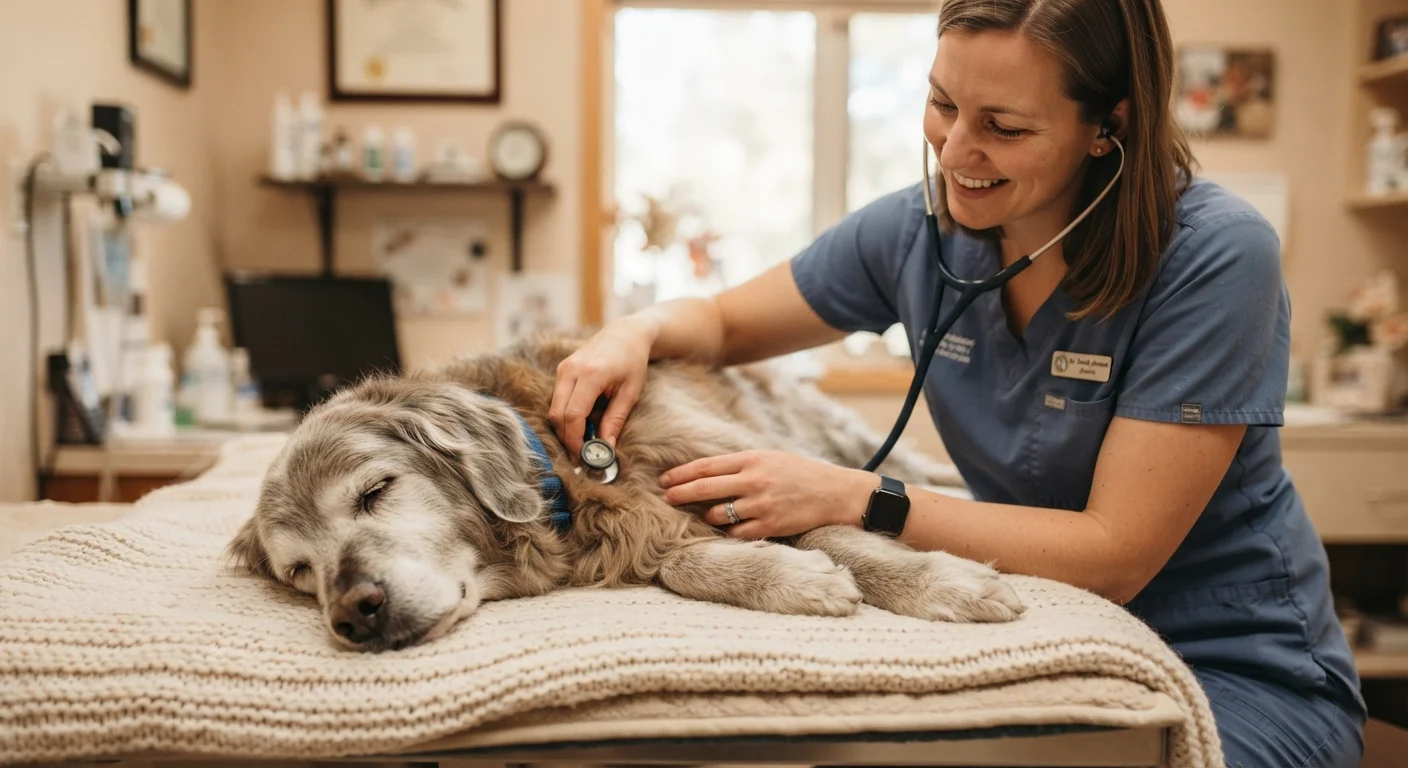
A year in a senior pet's life is not the same as a year in a young animal's life. Physiologically, older pets can progress from early-stage disease to a more advanced state within months. The American Animal Hospital Association (AAHA) and the American Association of Feline Practitioners (AAFP) both recommend that senior and geriatric pets be seen by a veterinarian at least twice per year - even when they appear healthy.
These visits serve a different purpose than an urgent sick appointment. They are proactive checkpoints designed to catch gradual changes before symptoms become obvious. To understand how preventive exams differ from sick visits in structure and purpose, see our breakdown of wellness exams versus sick visits.
Schedule the Second Visit Before You Leave
When you bring your senior pet in for a wellness exam, book the follow-up appointment before you walk out the door. It is easy to let six months slip into nine or twelve when life gets busy. Many veterinary practices will send reminders, but having a date on the calendar is the most reliable way to stay on track.
Key Screenings and Diagnostics for Older Pets
Once a pet reaches senior status, routine diagnostics typically expand well beyond a physical exam. Most veterinarians will recommend the following at each senior wellness visit:
- Complete blood count (CBC) and chemistry panel: These blood tests assess organ function - particularly the liver and kidneys - and can flag early-stage disease before clinical signs appear.
- Urinalysis: Kidney disease is common in older cats especially; urine concentration and protein levels offer early clues.
- Blood pressure measurement: Hypertension (high blood pressure) is underdiagnosed in senior pets and can damage the eyes, kidneys, and brain if left unaddressed.
- Thyroid function testing: Hyperthyroidism is the most common endocrine disorder in older cats; hypothyroidism is more common in older dogs.
- Dental assessment: Periodontal disease worsens with age and can affect heart and kidney health. See our article on dental disease in pets for more detail.
90%
Cats over 12 with some degree of arthritis
Radiographic studies suggest arthritis is nearly universal in geriatric cats, though many show no obvious lameness, according to published veterinary research.
~30-40%
Cats over 10 affected by chronic kidney disease
Prevalence estimates from veterinary nephrology literature suggest CKD affects a substantial portion of older cats, making early screening essential.
2x/year
Recommended vet visits for senior pets
Both AAHA and AAFP senior care guidelines recommend biannual wellness exams for older pets, even when they appear healthy.
Common Health Conditions in Senior Pets
Several conditions become substantially more prevalent as pets age. Awareness of these allows owners to notice early warning signs rather than attributing changes to normal aging:
- Osteoarthritis
- Joint degeneration is very common in older dogs and cats. It often presents as reluctance to climb stairs, slowing on walks, or reduced grooming in cats - not necessarily limping.
- Chronic kidney disease (CKD)
- Particularly common in cats over 10. Early-stage CKD often has no obvious symptoms, which is why bloodwork and urinalysis are so important.
- Cognitive dysfunction syndrome (CDS)
- Sometimes called canine or feline cognitive dysfunction, this condition resembles aspects of dementia and may show up as disorientation, altered sleep cycles, or changes in social behavior.
- Heart disease
- Especially common in certain dog breeds, progressive heart disease is often detected via a murmur during routine auscultation before symptoms develop.
Because animals instinctively conceal discomfort, many of these conditions advance quietly. Our related piece on why pets hide pain explains the behavioral patterns worth watching for.
Never Skip Routine Bloodwork in a Senior Pet
Many of the most common senior pet conditions - including kidney disease, hyperthyroidism, and diabetes - produce no visible symptoms in their earliest and most treatable stages. Routine bloodwork and urinalysis are the only way to detect these conditions before they have already caused significant organ damage. Even if your pet looks and acts perfectly well, these tests are not optional in senior care - they are the foundation of it.
Nutrition and Weight Management in Older Animals
Senior pets have changing caloric and nutrient needs. Some older animals - particularly dogs - become less active and tend to gain weight, which places added stress on joints and organs. Others, especially cats with hyperthyroidism or CKD, may lose weight despite eating normally.
Veterinarians generally recommend transitioning to a senior-formulated diet that accounts for these shifts, though the right diet depends heavily on the individual animal's health conditions. A pet with kidney disease, for example, may require a therapeutic diet that is quite different from a standard senior formula. Never adjust a medically prescribed diet without veterinary guidance.
Weight checks at every visit give your vet valuable trend data. A 10% change in body weight in either direction - even over six months - warrants investigation. For broader context on how nutritional needs shift across life stages, our article on nutrition through every life stage is a helpful companion read.
Keep a simple weekly log of your senior pet's weight, appetite, water intake, and activity level. Even rough notes help your vet identify trends that are invisible in a single snapshot exam.
Veterinarians often rely on owner-reported history to detect gradual changes that do not show up during a brief clinic visit, especially in stoic animals that mask discomfort.
Ask your vet to establish your pet's individual 'baseline' lab values early in their senior years - this makes future deviations much easier to interpret accurately.
Normal reference ranges in lab tests are population averages; knowing what is normal for your specific pet allows for earlier, more accurate detection of organ changes.
Recognizing Subtle Signs Something Is Wrong
Because senior pets can deteriorate quickly, recognizing early warning signs matters enormously. Owners often assume gradual changes are simply signs of normal aging when they may actually signal a treatable condition. Watch for:
- Increased thirst or urination (can indicate diabetes, kidney disease, or Cushing's disease)
- Changes in appetite - eating more or less than usual
- Sleeping significantly more, or restlessness at night
- Difficulty rising, reluctance to jump, or a stiff gait
- Unexplained weight changes
- New lumps or bumps anywhere on the body
- Coughing, labored breathing, or exercise intolerance
- Confusion, staring into space, or getting "lost" in familiar spaces
Our editorial team has assembled a dedicated resource on pain signs that are easy to overlook - particularly useful for senior pet owners trying to distinguish normal aging from a medical issue. And if you ever suspect a serious problem, preparing for an emergency vet visit can help you respond quickly and calmly.
Quality of Life and End-of-Life Planning
One of the most important conversations senior pet owners can have with their veterinarian is about quality of life - how to assess it honestly, and how to plan ahead. Veterinary quality-of-life frameworks, such as the commonly referenced scale developed by Dr. Alice Villalobos, consider factors like pain, appetite, hygiene, happiness, mobility, and more. These tools are designed to help families make compassionate, informed decisions at every stage.
End-of-life planning is not only about euthanasia - it also covers palliative care options, pain management goals, and the family's values and circumstances. Having these conversations early, before a crisis, reduces the stress and guilt families often feel when decisions are made in acute distress.
Your veterinarian is your most important partner in senior pet care. If you ever feel uncertain about what your pet is experiencing, ask directly: "What would you be watching for, and what would prompt you to recommend further action?" That kind of open dialogue, started well before an emergency, is one of the most meaningful things you can do for an aging animal you love.
This article provides general educational information about senior pet care and is not a substitute for professional veterinary advice. Always consult a licensed veterinarian for guidance specific to your pet's health and medical history.