

Key Takeaways
- Most leases prohibit permanent structural changes, but many reversible updates are renter-friendly.
- Removable wallpaper, peel-and-stick tiles, and tension rods can transform a space without damaging surfaces.
- Always read your lease and get landlord approval in writing before making any modifications.
- Documenting your apartment's condition before and after decorating protects your security deposit.
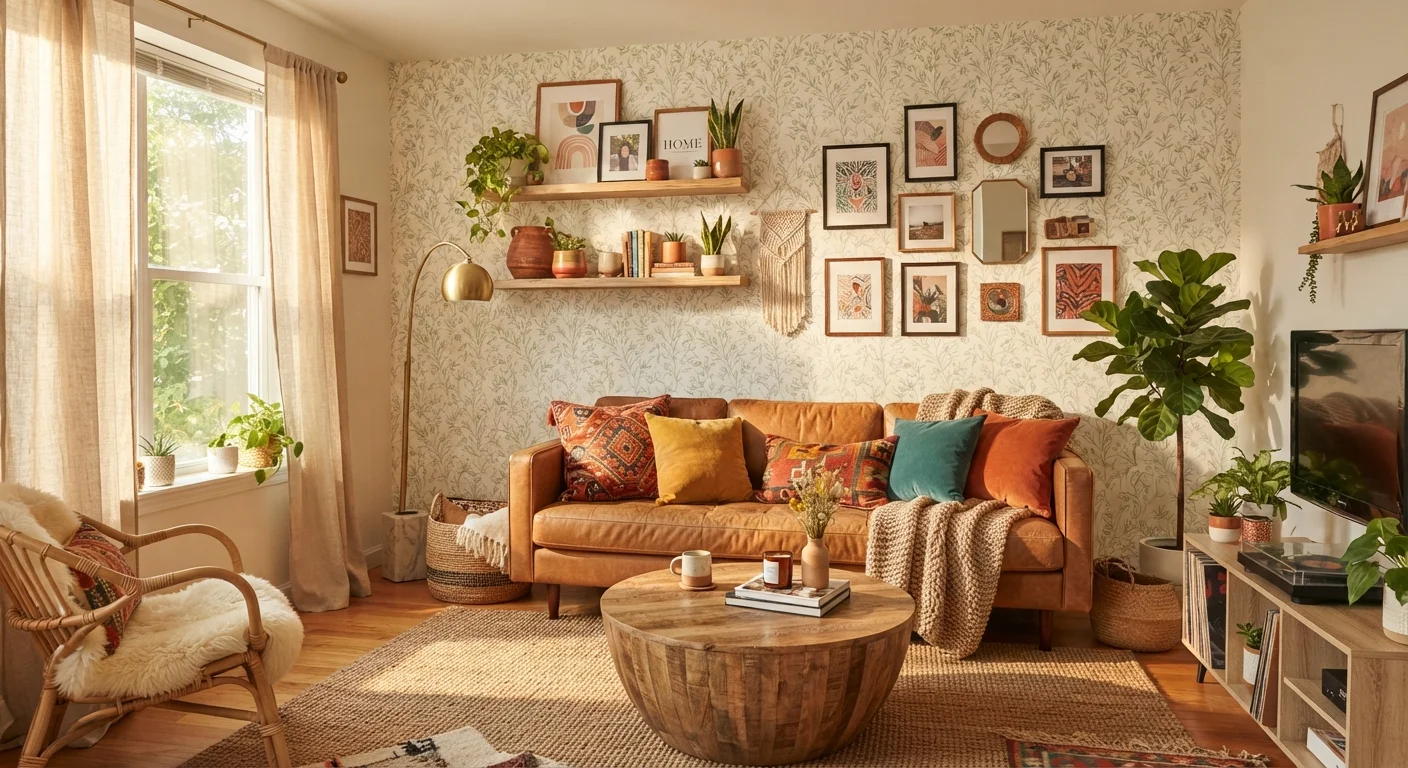
Removable wallpaper transforms walls without damage
High-quality peel-and-stick wallpaper products are designed to lift cleanly from most painted surfaces. They let renters add bold patterns or texture to accent walls with minimal risk.
Rugs and textiles require zero landlord approval
Area rugs, throw blankets, and curtains are completely portable and can dramatically shift a room's personality. They also protect existing flooring from everyday wear.
Lighting upgrades are often reversible
Swapping a builder-grade fixture for something more stylish is possible in many rentals, as long as you store and reinstall the original. This single change can significantly elevate a room's atmosphere.
Furniture arrangement gives you full creative control
How you place furniture shapes how a room feels and functions. Experimenting with layout costs nothing and leaves no trace when you move.
Adhesive solutions have improved dramatically
Modern adhesive hooks, strips, and mounting products can hold meaningful weight without damaging paint or drywall, making gallery walls and shelving more accessible for renters.
Unauthorized paint can cost you your deposit
Even well-intentioned repainting without landlord approval is one of the most frequent causes of security deposit deductions. Always secure written permission before picking up a brush.
Drilling into tile or masonry causes irreversible damage
Unlike drywall, tile and masonry cannot be patched convincingly. Any drilling in bathrooms or kitchens without explicit permission is high-risk and potentially expensive to remedy.
Structural changes are almost always off-limits
Removing interior doors, altering built-in storage, or making any change that affects the unit's structure typically violates lease terms regardless of how carefully the work is done.
Overloaded adhesives can peel paint on removal
Adhesive products are only as safe as their correct use. Exceeding weight limits or leaving adhesives in place too long can pull paint and damage drywall when removed.
Our Verdict
Decorating a rental home is entirely possible when you focus on reversible, non-damaging changes. The key is understanding which updates fall within your lease's boundaries and communicating openly with your landlord before making any modifications. With the right approach, renting doesn't have to mean living in a space that feels impersonal or temporary.
Renters who want a stylish, personalized living space without jeopardizing their security deposit or lease agreement.
Why Decorating a Rental Feels Complicated
Most rental leases include clauses that restrict permanent alterations - and for good reason. Landlords need to maintain consistent, re-rentable units. But those restrictions don't mean you're locked into bare walls and builder-beige paint for the length of your tenancy.
The challenge lies in understanding the line between reversible personalization and permanent modification. Many renters either go too far - making changes that cost them their deposit - or hold back too much, never truly making the space feel like home. Before you hang a single thing, read your lease carefully and note what it explicitly permits or prohibits. If something is unclear, ask your landlord in writing. That paper trail matters.
Need a clean slate before you start decorating? See our room-by-room decluttering walkthrough to clear the canvas first.
What You Can Generally Change (Renter-Friendly Updates)
Removable wallpaper transforms walls without damage
High-quality peel-and-stick wallpaper products are designed to lift cleanly from most painted surfaces. They let renters add bold patterns or texture to accent walls with minimal risk.
Rugs and textiles require zero landlord approval
Area rugs, throw blankets, and curtains are completely portable and can dramatically shift a room's personality. They also protect existing flooring from everyday wear.
Lighting upgrades are often reversible
Swapping a builder-grade fixture for something more stylish is possible in many rentals, as long as you store and reinstall the original. This single change can significantly elevate a room's atmosphere.
Furniture arrangement gives you full creative control
How you place furniture shapes how a room feels and functions. Experimenting with layout costs nothing and leaves no trace when you move.
Adhesive solutions have improved dramatically
Modern adhesive hooks, strips, and mounting products can hold meaningful weight without damaging paint or drywall, making gallery walls and shelving more accessible for renters.
These approaches tend to be safe for most rental situations, though you should always verify against your specific lease:
- Removable wallpaper and peel-and-stick tiles: Designed to come off cleanly, these products have become a renter's best friend. Use them on accent walls, kitchen backsplashes, or bathroom floors for dramatic effect.
- Temporary window treatments: Tension rods and clip-on curtain rings let you hang curtains without drilling. Many landlords are also fine with swapping out existing curtain hardware, as long as you reinstall the originals before moving out.
- Furniture arrangement and rugs: These are entirely within your control. Layered rugs can define zones, add warmth, and conceal worn flooring without any damage.
- Lighting swaps: Replacing a dated ceiling fixture with something you prefer is often permitted - provided you keep the original and reinstall it at move-out. Always turn off the breaker and, if you're unsure about wiring, consult a licensed electrician.
For tech-forward renters, smart home upgrades designed for renters can add convenience without requiring any permanent installation.
44M+
Renter households in the U.S.
According to U.S. Census Bureau data, more than 44 million households in the United States are renter-occupied, reflecting how widespread the need for rental-friendly decorating solutions is.
~$200
Average security deposit deduction for painting
Industry estimates from property management sources suggest unauthorized or improperly applied paint is among the most common and costly reasons landlords withhold deposit funds.
What You Generally Cannot Change (Without Permission)
Unauthorized paint can cost you your deposit
Even well-intentioned repainting without landlord approval is one of the most frequent causes of security deposit deductions. Always secure written permission before picking up a brush.
Drilling into tile or masonry causes irreversible damage
Unlike drywall, tile and masonry cannot be patched convincingly. Any drilling in bathrooms or kitchens without explicit permission is high-risk and potentially expensive to remedy.
Structural changes are almost always off-limits
Removing interior doors, altering built-in storage, or making any change that affects the unit's structure typically violates lease terms regardless of how carefully the work is done.
Overloaded adhesives can peel paint on removal
Adhesive products are only as safe as their correct use. Exceeding weight limits or leaving adhesives in place too long can pull paint and damage drywall when removed.
Some modifications cross the line into permanent territory and typically require explicit landlord approval - or are prohibited outright:
- Painting walls: Even if you plan to repaint before leaving, unauthorized paint is one of the most common reasons landlords deduct from deposits. Always get written approval first, and ask about approved colors.
- Drilling into tile or masonry: Holes in tile are nearly impossible to reverse cleanly. Avoid drilling into bathroom tile, stone countertops, or brick walls.
- Structural changes: Removing doors, altering built-ins, installing shelving that requires wall anchors into load-bearing surfaces - these all require landlord sign-off, and most leases prohibit them entirely.
Always Get Changes Approved in Writing
Verbal agreements with landlords carry little legal weight in most states. If your landlord approves a modification - even something minor like painting one wall - request that approval by email or text so you have a written record. This protects both parties and removes ambiguity at move-out. Some landlords may be open to negotiating certain changes in exchange for a longer lease term or other considerations.
For a broader look at spending wisely on a rental, our guide to decorating on a budget covers strategies that work whether you own or rent.
Protecting Your Security Deposit Throughout
Decoration decisions are inseparable from your security deposit. A few habits can save you significant money at move-out:
- Document everything before you move in. Photograph every wall, floor, fixture, and surface. Timestamp those photos and email them to yourself or your landlord to create a dated record.
- Use the right hardware. Adhesive strips rated for the weight you're hanging, removable hooks, and tension products all reduce wall damage. Follow manufacturer weight limits - overloading adhesive strips is a common cause of wall damage.
- Patch small holes before move-out. Nail holes from picture hanging are generally considered normal wear and tear in most states, but larger anchor holes may not be. Spackle and touch-up paint (if you have the original color) can prevent deductions.
It's also worth understanding what your renters insurance covers in the event of accidental damage. Our overview of renters insurance coverage explains what policies typically include and where gaps often appear.