

Key Takeaways
- Vitamins are organic compounds that can be broken down by heat or air; minerals are inorganic elements that retain their structure.
- Both categories are called micronutrients because the body needs them in small but essential amounts.
- Fat-soluble vitamins (A, D, E, K) are stored in the body; water-soluble vitamins (B, C) must be replenished regularly.
- Minerals are divided into macrominerals (like calcium) needed in larger amounts and trace minerals (like iron) needed in tiny quantities.
- Most people can meet their micronutrient needs through a varied, whole-food diet without supplements.
Our Verdict
Vitamins and minerals are equally essential - neither category outranks the other. They work in complementary roles: vitamins drive metabolic reactions and protect cells, while minerals build structures and regulate fluid balance. A varied, whole-food diet is the most reliable way to cover both sides of micronutrition for most healthy adults.
| Best for | Recommended |
|---|---|
| Those focused on immune support and antioxidant protection | Prioritize vitamin-rich foods (citrus, leafy greens, nuts) |
| Those concerned with bone density and muscle function | Prioritize mineral-rich foods (dairy, legumes, seeds) |
| Those seeking a simple, sustainable eating approach | Focus on dietary variety covering both vitamins and minerals |
What Makes Vitamins and Minerals Different?
The term micronutrients covers two distinct groups: vitamins and minerals. Both are required in relatively small amounts compared to macronutrients like carbohydrates, protein, and fat - but their absence has serious consequences. To understand how they differ, it helps to start with their basic chemistry.
Vitamins are organic compounds, meaning they contain carbon and are produced by living organisms - plants, animals, or in some cases the human body itself (vitamin D, for example, is synthesized when skin is exposed to sunlight). Because they are organic, vitamins can be degraded by heat, light, air, and acid. That's why overcooking vegetables can reduce their vitamin content.
Minerals, by contrast, are inorganic elements - they come from the earth, not from living organisms. Plants absorb them through soil; animals and humans get them by eating plants or other animals. Unlike vitamins, minerals cannot be broken down by cooking. Calcium in a piece of broccoli remains calcium whether the broccoli is raw or roasted.
Understanding this foundational difference explains why each group requires a slightly different approach in food preparation, storage, and dietary planning. For a broader look at how micronutrients sit alongside the energy-providing nutrients, see our guide to macronutrients.
A Closer Look at Vitamins
There are 13 essential vitamins, and they fall into two categories based on how the body handles them:
- Fat-soluble vitamins - A, D, E, and K - dissolve in fat and are stored in the liver and fatty tissue. Because the body holds onto them, it is possible to accumulate excessive amounts if high-dose supplements are taken over time.
- Water-soluble vitamins - vitamin C and the eight B vitamins - dissolve in water and are not stored in significant quantities. Excess amounts are generally excreted in urine, which means these vitamins need to be replenished regularly through diet.
Each vitamin performs specific roles. Vitamin C supports immune function and collagen production. B vitamins help the body convert food into usable energy. Vitamin A is critical for vision and skin integrity. Vitamin D regulates calcium absorption and supports bone health - a function that links it directly to the mineral side of the equation.
Preserve Vitamins When Cooking
Because water-soluble vitamins leach into cooking water, steaming or roasting vegetables tends to preserve more nutrients than boiling. Eating some vegetables raw - such as in salads - is another easy way to protect heat-sensitive vitamins like vitamin C and folate.
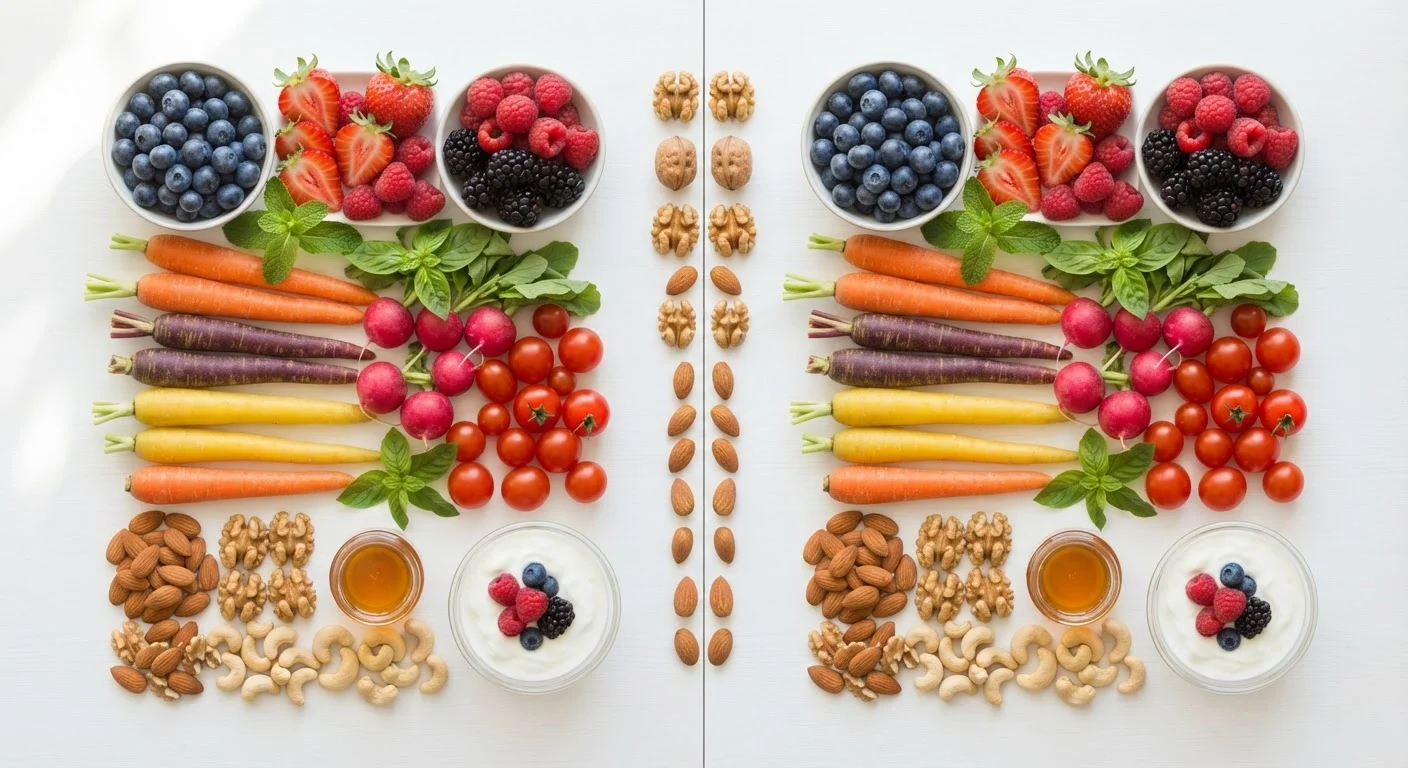
Common food sources rich in vitamins include leafy greens (K, folate), citrus fruits (C), eggs (B12, D), nuts and seeds (E), and orange or yellow vegetables (beta-carotene, a precursor to vitamin A).
A Closer Look at Minerals
Minerals are typically divided into two subgroups based on how much the body requires:
- Macrominerals - calcium, phosphorus, magnesium, sodium, potassium, chloride, and sulfur - are needed in amounts of 100 milligrams or more per day.
- Trace minerals - including iron, zinc, selenium, copper, manganese, iodine, and fluoride - are needed in much smaller quantities, often just micrograms per day, but are no less important.
Minerals serve structural and regulatory roles throughout the body. Calcium and phosphorus form the mineral matrix of bones and teeth. Iron is a core component of hemoglobin, the protein in red blood cells that carries oxygen. Potassium and sodium work together to regulate fluid balance and support nerve signal transmission. Iodine is required for thyroid hormone production, which in turn governs metabolism.
| Vitamins | Minerals | |
|---|---|---|
| Origin | Organic (produced by living organisms) | Inorganic (derived from soil and water) |
| Stability | Can degrade with heat, light, or air | Stable; not destroyed by cooking |
| Solubility types | Fat-soluble (A, D, E, K) and water-soluble (B, C) | Macrominerals and trace minerals |
| Primary roles | Metabolic reactions, immune function, cell protection | Bone structure, fluid balance, oxygen transport |
| Storage in body | Fat-soluble stored; water-soluble excreted | Some stored (Ca, Fe); others tightly regulated |
| Key food sources | Fruits, vegetables, dairy, eggs, whole grains | Dairy, meat, legumes, nuts, seeds, leafy greens |
Nutrition Facts labels list many of these minerals by their percent daily value, making it easier to gauge whether your meals are hitting targets across both macrominerals and trace minerals.
Meeting Your Micronutrient Needs Through Food
For most healthy adults, a varied whole-food diet is the most reliable strategy for covering both vitamins and minerals. No single food provides everything, which is why dietary diversity matters so much.
A practical framework: fill half your plate with vegetables and fruit (broad vitamin and mineral coverage), include whole grains (B vitamins, magnesium, iron), add a quality protein source such as legumes, fish, eggs, or lean meat (B12, zinc, iron), and include dairy or fortified plant alternatives (calcium, vitamin D, potassium).
Needs do shift across life stages - children, pregnant individuals, and older adults often have different micronutrient priorities. Our life stage nutrition guide covers how those requirements change and why. Additionally, whole-food choices matter: whole grains vs. refined grains illustrates how processing affects the micronutrient content of everyday staples.
Supplements can be appropriate in specific circumstances - for example, vitamin D for those with limited sun exposure, or folate during pregnancy. However, supplements are not a substitute for dietary variety and should be discussed with a qualified healthcare provider before use.
This article is for general informational purposes only and is not a substitute for personalized medical or nutritional advice. Consult a qualified healthcare professional before making changes to your diet or starting any supplement.