
Macronutrients Explained: What Carbs, Protein, and Fat Actually Do in Your Body

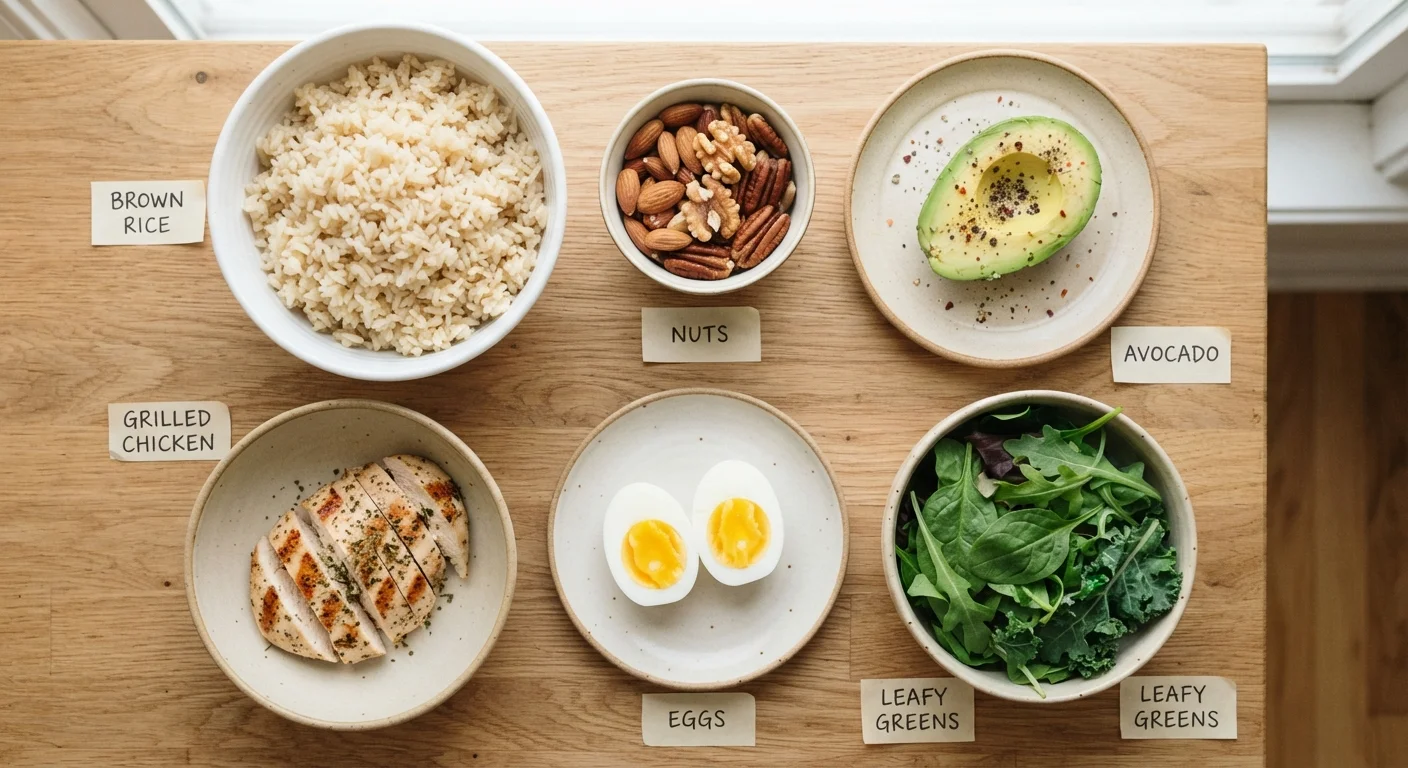
Key Takeaways
- All three macronutrients - carbs, protein, and fat - are essential for good health.
- Carbohydrates are the body's preferred and most efficient source of fuel.
- Protein provides the building blocks your body uses to repair and build tissue.
- Dietary fat supports hormone production, vitamin absorption, and brain health.
- No single macronutrient is inherently harmful; balance and food quality matter most.
- A qualified dietitian can help you find the right proportions for your individual needs.
Macronutrients
Macronutrients are the three main categories of nutrients your body needs in relatively large amounts to function: carbohydrates, protein, and fat. Each one provides energy (measured in calories) and serves specific roles in growth, repair, and day-to-day bodily functions. Unlike vitamins and minerals, which are needed in tiny quantities, macronutrients form the bulk of your diet.
Carbohydrates and protein each provide 4 calories per gram; dietary fat provides 9 calories per gram. Alcohol, though not a macronutrient, provides 7 calories per gram.
Carbohydrates: Your Body's Go-To Fuel Source
Carbohydrates are the body's primary and preferred source of energy. When you eat carbs - whether from bread, fruit, legumes, or vegetables - your digestive system breaks them down into glucose, a simple sugar that cells use to power everything from walking to thinking. The brain, in particular, relies almost exclusively on glucose to function.
Not all carbohydrates behave the same way. Simple carbohydrates (like those in table sugar or white bread) digest quickly, producing a rapid rise in blood glucose. Complex carbohydrates (found in whole grains, beans, and most vegetables) digest more slowly, providing a steadier energy release. Fiber - a type of carbohydrate the body cannot fully break down - supports digestive health and helps you feel satisfied after eating.
The goal isn't to avoid carbohydrates but to choose sources that come packaged with fiber, vitamins, and minerals rather than added sugars and refined starches. When you eat carbohydrates, you'll see them listed on food packaging - our guide to reading a Nutrition Facts label explains how to interpret those numbers clearly.
45-65%
Recommended share of calories from carbohydrates
According to the U.S. Dietary Guidelines for Americans, this is the suggested range for carbohydrate intake as a proportion of total daily calories for adults.
4 kcal/g
Energy provided per gram of carbohydrate or protein
Both carbohydrates and protein yield 4 calories per gram, compared to fat's 9 calories per gram - a key reason fat is the most energy-dense macronutrient.
~60%
Proportion of brain dry weight that is fat
Research in neuroscience highlights that the brain is one of the most fat-rich organs in the body, underscoring why dietary fat cannot simply be eliminated.
Protein: Building, Repairing, and Running the Body
Protein is often associated with muscle, but its role goes far beyond the gym. Every cell in your body contains protein. It provides the amino acids your body uses to build and repair tissues, produce enzymes and hormones, support immune function, and transport nutrients through the bloodstream.
Proteins are made of chains of amino acids. Of the 20 amino acids your body uses, nine are classified as essential - meaning your body cannot make them and you must obtain them from food. Animal-based proteins (meat, poultry, fish, eggs, and dairy) contain all nine essential amino acids and are called complete proteins. Many plant-based sources (beans, lentils, grains, nuts) provide protein but may be lower in one or more essential amino acids, which is why variety in a plant-forward diet is particularly important.
Protein also contributes to satiety - the feeling of fullness after a meal - which is one reason higher-protein eating patterns are often associated with appetite regulation. Energy from protein is a last resort; the body prefers to spare protein for its structural and functional roles.
Combine Plant Proteins for Complete Nutrition
If you follow a mostly plant-based diet, pairing complementary protein sources - such as beans with rice, or hummus with whole-grain pita - helps ensure you're getting all essential amino acids across your meals. You don't need to combine them in every single meal, but aiming for variety throughout the day is a practical strategy.
Dietary Fat: Essential, Not the Enemy
Fat has long carried an undeserved reputation. In reality, dietary fat is indispensable. It provides a concentrated source of energy, helps your body absorb fat-soluble vitamins (A, D, E, and K), insulates organs, and plays a central role in producing hormones - including sex hormones and those involved in inflammation response.
Fat is also critical for brain health. About 60% of the brain's dry weight is fat, and adequate dietary fat supports the structure and function of nerve cells throughout the nervous system.
The type of fat matters. Unsaturated fats - found in olive oil, avocados, fatty fish, and most nuts - are associated with cardiovascular and metabolic benefits. Saturated fats, found mainly in animal products and some tropical oils, warrant moderation according to most dietary guidelines. Industrially produced trans fats have largely been removed from the food supply following regulatory action, though small amounts may remain in some products. For a closer look at how these types differ, see our guide to saturated, unsaturated, and trans fats.
“Dietary fat is not the enemy of good health. The evidence increasingly points to the type and source of fat as far more important than the total amount consumed.”
— Walter Willett, Professor of Epidemiology and Nutrition, Harvard T.H. Chan School of Public Health
Finding a Balance That Works for You
There is no single ideal ratio of macronutrients that fits every person. General dietary guidelines from organizations like the U.S. Dietary Guidelines Advisory Committee suggest broad ranges - roughly 45-65% of calories from carbohydrates, 10-35% from protein, and 20-35% from fat - but individual needs vary based on age, activity level, health conditions, and personal goals.
Rather than fixating on exact percentages, most nutrition professionals emphasize the quality of food choices over rigid macro counting. A diet built around whole grains, lean proteins, healthy fats, and plenty of vegetables will naturally land in a reasonable range for most people.
This article is for general informational and educational purposes only and does not constitute medical or dietary advice. Consult a registered dietitian or qualified healthcare professional for personalized guidance about your nutrition needs.