

Key Takeaways
- Consistent brushing prevents matting and helps you spot lumps, rashes, or parasites early.
- Bathing frequency should match your pet's coat type and lifestyle, not a one-size schedule.
- Ear, paw, and nail care are often overlooked but carry serious health consequences when neglected.
- Grooming sessions are a natural opportunity to monitor your pet's overall health between vet visits.
- Many skin and coat problems caught early are far easier and less costly to treat.
Why Grooming Is a Health Practice, Not Just Aesthetics
Most pet owners know grooming keeps a dog or cat looking tidy, but its real value runs much deeper. Regular grooming sessions give you a hands-on, head-to-tail opportunity to notice changes that could signal health concerns - a new lump beneath the fur, flaking skin, unusual odor, or early signs of a parasite infestation.
The coat itself is a visible indicator of internal health. A dull, brittle, or thinning coat can reflect nutritional gaps, hormonal imbalances, or underlying illness. Addressing grooming consistently means you're building a baseline understanding of what's normal for your pet - and that baseline is exactly what helps you recognize when something is off. For a broader look at what persistent itching might mean, see our article on why your pet keeps scratching.
Make Grooming a Positive Routine Early
Pets introduced to grooming gradually during puppyhood or kittenhood are far more cooperative as adults. Start with short sessions, pair them with calm praise, and build from there. Even older pets can learn to tolerate - and sometimes enjoy - regular grooming with patient, consistent practice.
Core Grooming Habits That Prevent Common Problems
The following practices form the foundation of a solid at-home grooming routine. They're straightforward to learn and adaptable to most breeds and temperaments.
Brush your pet's coat on a schedule matched to their coat type.
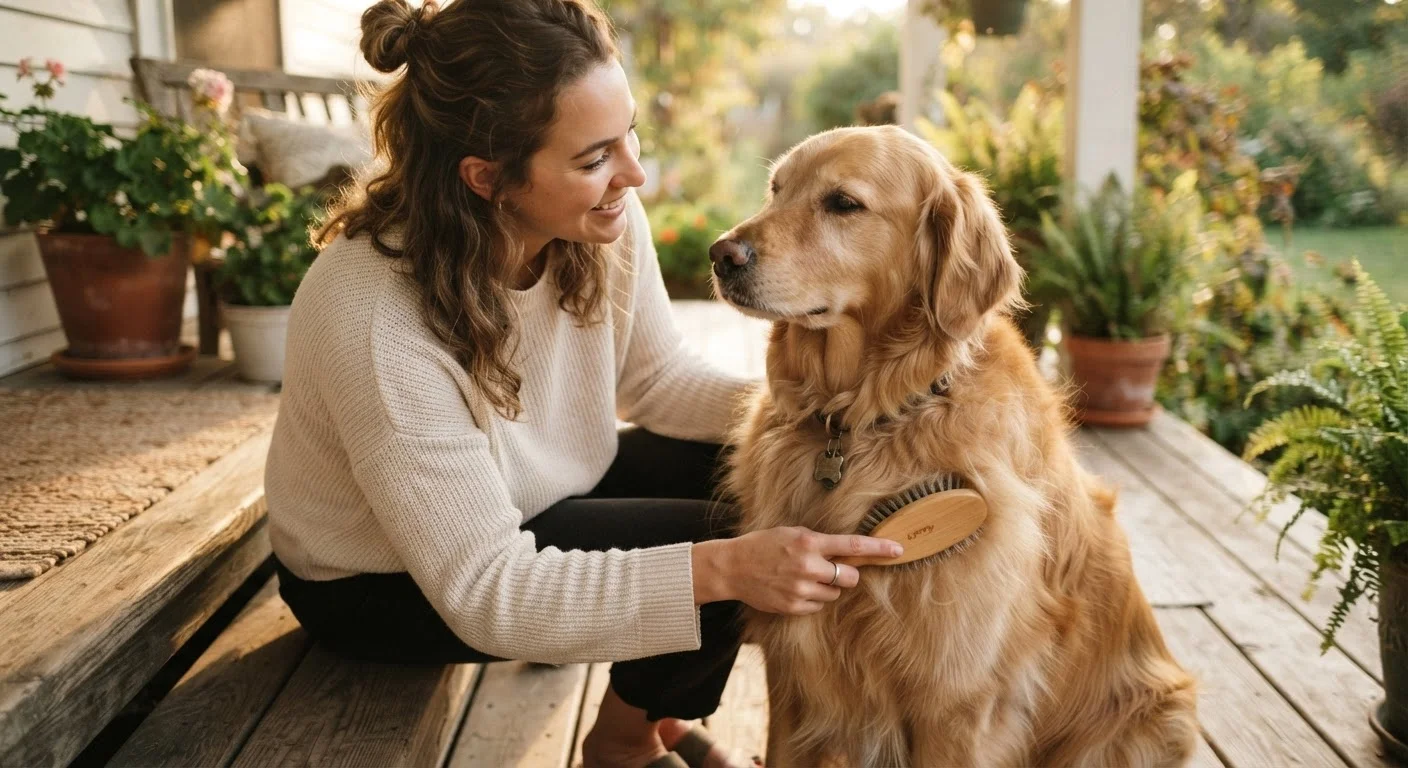
Long or double-coated breeds can mat quickly, and mats trap moisture and debris against the skin, creating conditions ripe for bacterial or fungal infections. Brushing distributes natural oils, removes loose fur, and keeps airflow reaching the skin. Even short-coated pets benefit from weekly brushing to remove dead hair and stimulate circulation.
Bathe your pet at appropriate intervals using a species-appropriate, gentle cleanser.
Over-bathing strips the skin of natural oils, leading to dryness and irritation; under-bathing allows dirt, allergens, and microbes to accumulate. The right frequency depends on your pet's coat, activity level, and skin health - your veterinarian can help you determine what's appropriate. Always use a product formulated for pets, since human shampoos have a different pH balance that can disrupt your pet's skin barrier.
Check and clean ears regularly to prevent moisture buildup and infection.
Ear canals that stay damp or accumulate wax become an environment where yeast and bacteria thrive. Floppy-eared dogs are especially prone to ear infections, which can become painful and recurrent if not addressed. Routine visual checks - and gentle cleaning when recommended by your vet - catch problems before they escalate.
Trim nails before they curve or touch the ground when your pet stands.
Overgrown nails force paws into an unnatural position, placing stress on joints and altering gait over time. In severe cases, nails can curl into the paw pad, causing pain and infection. Regular trimming also gives you a chance to inspect paw pads for cracking, foreign objects, or swelling.
Inspect skin during every grooming session using both eyes and fingertips.
Running your hands slowly through a pet's coat lets you feel what you can't always see - small lumps, tender spots, or areas of unusual heat. Catching a tick before it's been attached long, or noticing a rash before it spreads, makes a meaningful difference in treatment outcomes. Grooming becomes a form of routine health monitoring.
If you're weighing how much of this to handle at home versus with a professional, our guide on professional vs. at-home grooming walks through the key considerations.
Quick Wins You Can Start Today
Not sure where to begin? These high-impact actions require minimal equipment and can be woven into an existing daily routine with your pet.
What the Numbers Tell Us
Grooming-related health issues are more common than many owners expect. The data below reflects how frequently preventable problems go undetected until they've progressed.
80%
Dogs showing dental disease by age 3
According to the American Veterinary Medical Association, periodontal disease is among the most common preventable conditions in adult dogs and cats.
1 in 3
Pets treated for a skin condition annually
Skin and coat issues consistently rank among the top reasons for veterinary visits in the United States, according to veterinary claims data.
50%+
Ear infections linked to moisture and debris
Veterinary dermatologists note that a large proportion of otitis (ear infection) cases in dogs are associated with factors manageable through routine grooming and drying.
Many of these problems - particularly dental disease - develop quietly alongside coat and skin issues. Our overview of dental disease in pets explains why regular checks matter beyond the mouth. Parasite prevention also ties directly into grooming - learn more in our piece on flea, tick, and parasite prevention.
When to Involve Your Veterinarian
Some grooming-related findings go beyond what home care can address. Persistent skin redness, recurring ear infections, lumps that appear suddenly, or significant coat thinning are all worth discussing with your vet. Grooming helps you notice these things - but a licensed veterinarian should evaluate and diagnose them. Don't hesitate to bring photos or written notes from your grooming observations to your next appointment.
This article is for general informational purposes only and does not constitute veterinary advice. Always consult a licensed veterinarian for guidance specific to your pet's health needs.