

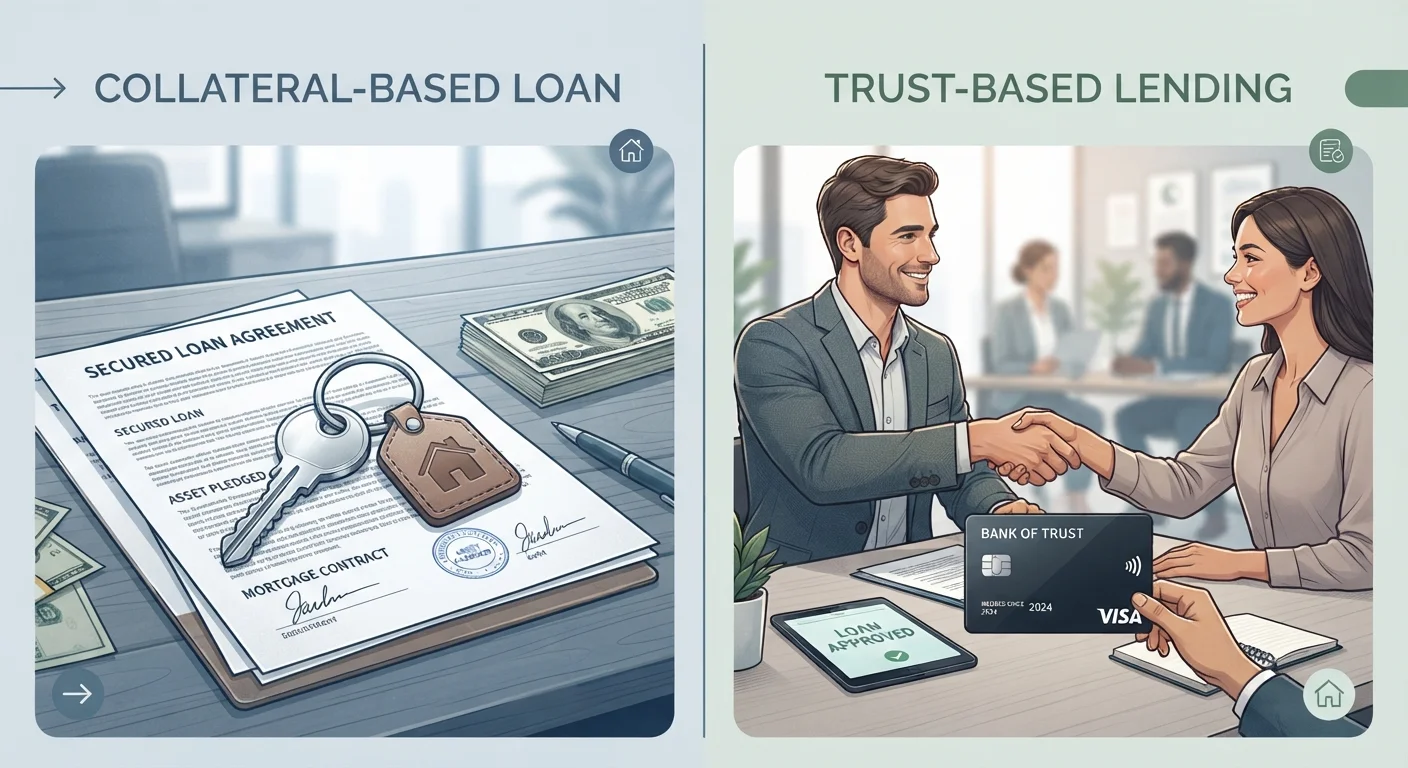
Key Takeaways
- Secured debt is backed by collateral; lenders can seize it if you default.
- Unsecured debt carries no collateral, so lenders rely on your creditworthiness instead.
- Secured loans typically offer lower interest rates due to reduced lender risk.
- Defaulting on either debt type can seriously damage your credit score.
- The type of debt you carry affects your options for consolidation and repayment strategies.
Our Verdict
Neither secured nor unsecured debt is universally better - each serves different financial needs and comes with distinct trade-offs. Secured debt generally costs less to borrow but puts assets at risk, while unsecured debt offers flexibility without collateral but usually at a higher cost. Understanding the difference helps you borrow intentionally and manage obligations more effectively.
| Best for | Recommended |
|---|---|
| Borrowers seeking lower interest rates for large purchases | Secured debt |
| Those who need flexibility without risking personal assets | Unsecured debt |
| Consumers building or rebuilding credit with limited history | Secured debt (e.g., secured credit cards) |
| Short-term borrowing needs with manageable balances | Unsecured debt |
What Makes a Debt 'Secured' or 'Unsecured'?
The fundamental distinction between secured and unsecured debt comes down to one word: collateral. Collateral is an asset - such as a home, car, or savings account - that a borrower pledges to a lender as a guarantee. If the borrower fails to repay, the lender has the legal right to seize that asset to recover what's owed.
With unsecured debt, there is no collateral attached. The lender extends credit based entirely on the borrower's credit history, income, and perceived ability to repay. Because the lender has no asset to fall back on, this type of debt carries more risk for them - which is typically reflected in higher interest rates for the borrower.
For a deeper look at how these and other debt-related terms are defined, see the Debt & Credit Terms Glossary for plain-language explanations.
Common Examples of Each Debt Type
Secured debt includes some of the largest financial obligations most Americans carry:
- Mortgages - the home itself serves as collateral
- Auto loans - the vehicle is pledged to the lender
- Secured credit cards - backed by a cash deposit
- Home equity loans and HELOCs - collateralized by home equity
Unsecured debt covers a wide range of everyday credit products:
- Credit cards (standard, non-secured)
- Personal loans
- Student loans
- Medical debt
The distinction matters because it shapes the lender's remedies when a borrower defaults - and the financial consequences the borrower faces.
| Secured Debt | Unsecured Debt | |
|---|---|---|
| Collateral required | Yes - asset pledged to lender | No collateral required |
| Typical interest rates | Generally lower | Generally higher |
| Common examples | Mortgage, auto loan, secured card | Credit card, personal loan, student loan |
| Lender remedy on default | Repossession or foreclosure | Collections, judgment, garnishment |
| Credit score impact on default | Significant - up to 7 years | Significant - up to 7 years |
| Approval criteria | Collateral value + creditworthiness | Creditworthiness only |
How Default Works Differently for Each
When a borrower stops making payments on a secured debt, the lender can pursue repossession or foreclosure - legally reclaiming the collateral. For example, missing enough mortgage payments puts a home at risk of foreclosure. Missing auto loan payments can result in the vehicle being repossessed, sometimes with very little notice.
With unsecured debt, there is no asset to repossess. Instead, lenders typically pursue other remedies: reporting the delinquency to credit bureaus, sending the account to a collections agency, or pursuing a court judgment. A judgment can, in some cases, lead to wage garnishment or bank account levies, depending on state law.
Don't Underestimate Unsecured Debt Consequences
It's easy to assume that because unsecured debt has no collateral, the stakes are lower - but that's not entirely true. Unresolved unsecured debt can lead to court judgments, wage garnishment, and lasting credit damage. In some states, creditors can place liens on property through a court judgment, which can effectively convert an unsecured obligation into one with asset implications. Never ignore collection notices without understanding your rights.
In both cases, missed payments are reported to the major credit bureaus, and the damage to your credit score can be significant and long-lasting - typically remaining on your credit report for up to seven years.
Interest Rates, Approval, and Credit Impact
Because secured loans present less risk to lenders, they generally come with lower interest rates than comparable unsecured products. A mortgage or auto loan will typically carry a far lower APR than a personal loan or credit card for a similar borrower profile.
Approval criteria also differ. Secured debt lenders weigh the value of the collateral heavily, sometimes offering approval to borrowers with lower credit scores if the asset provides sufficient protection. Unsecured lenders depend almost entirely on creditworthiness metrics - credit score, debt-to-income ratio, and payment history.
Use Secured Debt to Build Credit Strategically
A secured credit card - backed by a cash deposit - can be a practical tool for building or rebuilding credit history. Because your deposit acts as the credit limit, lenders face minimal risk and are more likely to approve applicants with thin or damaged credit files. Using the card for small purchases and paying the balance in full each month is a straightforward way to establish positive payment history over time.
Your credit score is affected by both types of debt. How you manage payments - on time or late - is the single biggest factor in your credit profile, regardless of whether the debt is secured or unsecured. For context on how lenders evaluate you during the application process, see our article on hard vs. soft credit inquiries.
How Knowing the Difference Helps You Manage Debt
Understanding whether your debts are secured or unsecured helps you prioritize when resources are tight. Because the consequences of defaulting on secured debt (losing your home or car) are often more immediate and severe, many financial guidance sources suggest prioritizing those payments first. However, this is a general framework - individual circumstances vary, and consulting a nonprofit credit counselor or licensed financial adviser is worth considering when managing serious debt stress.
The debt type also influences which repayment strategies and tools are available to you. For example, debt consolidation typically involves rolling unsecured debts into a single loan, often at a lower rate. Secured debts are generally handled separately. If you're weighing payoff methods, our comparison of the debt snowball vs. debt avalanche approaches can also help you structure a plan. For those managing multiple account types simultaneously, see our guide on managing debt across multiple accounts.
~$17.5T
Total U.S. household debt
According to the Federal Reserve Bank of New York, total U.S. household debt reached approximately $17.5 trillion in recent years, with mortgages comprising the largest share.
~21%
Average credit card APR
The Federal Reserve has reported average credit card interest rates exceeding 20% in recent periods, illustrating the higher cost typically associated with unsecured borrowing.
This article is for general informational purposes only and does not constitute personalized financial, legal, or tax advice. Consult a licensed financial professional for guidance specific to your situation.