

The Coverage You Assume You Have (But Probably Don't)
Most homeowners assume their policy covers whatever goes wrong with their home. That's a costly assumption. A standard homeowners policy - typically based on an HO-3 form - covers a defined list of perils: fire, wind, hail, theft, and several others. What it does not cover is just as important to understand.
Knowing the exclusions isn't about fear - it's about making informed decisions about whether you need additional coverage. This article is general educational information, not personalized insurance or legal advice. Coverage terms vary by insurer and state, so always read your actual policy documents and speak with a licensed agent about your specific situation.
For a broader look at how home and auto coverage is structured, see what you're actually paying for on your insurance bill.
Common Exclusions in Standard Homeowners Policies
Flood Damage
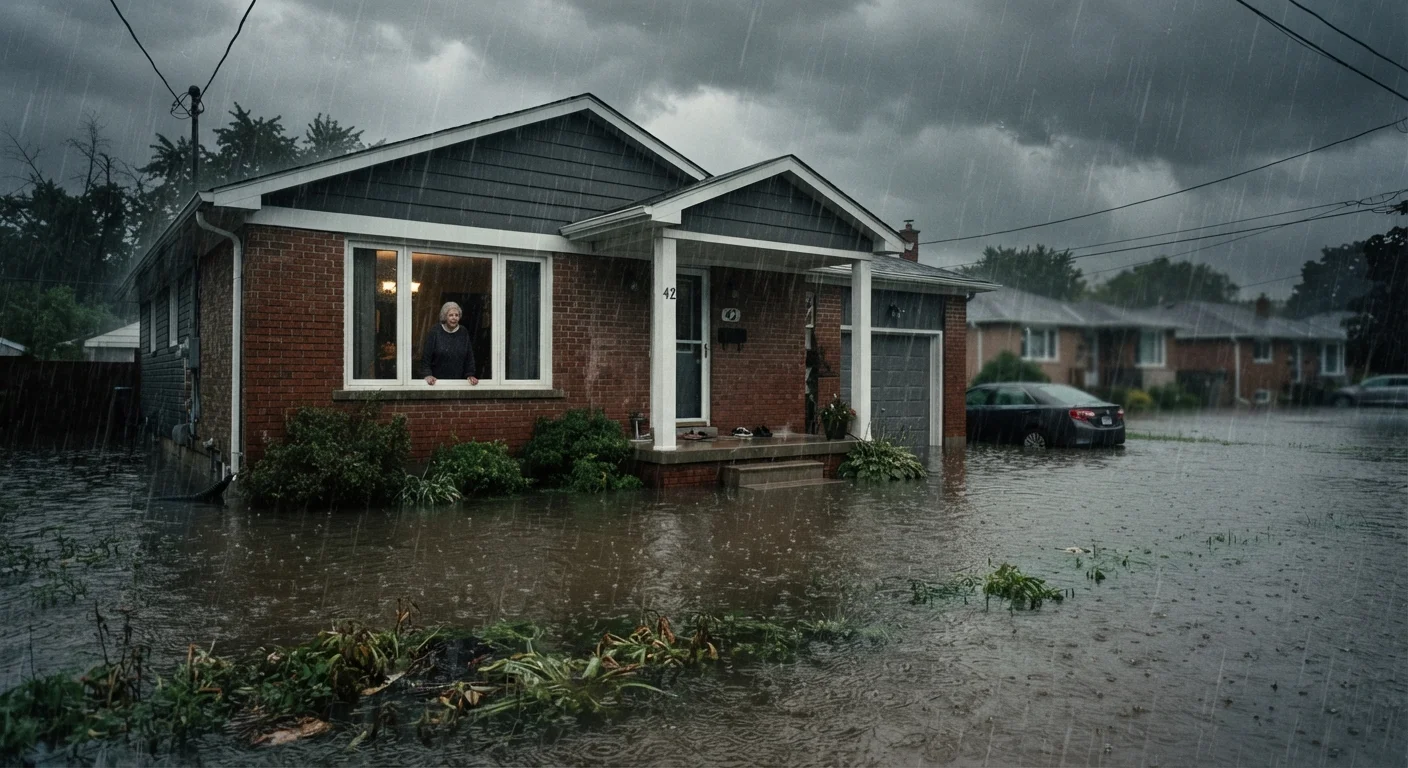
This is the most widely misunderstood gap. Standard homeowners policies do not cover flood damage - water that enters from outside the home due to heavy rain, storm surge, or overflowing bodies of water. Separate flood insurance is available through the National Flood Insurance Program (NFIP) or some private insurers. Flood risk isn't limited to coastal areas; inland flooding from heavy rainfall is common across the country.
Earthquakes and Ground Movement
Earthquake damage requires a separate policy or endorsement. This exclusion also typically extends to sinkholes (though some states require limited sinkhole coverage), landslides, and earth settling. If you live in a geologically active region, this gap deserves attention.
Sewer and Drain Backup
If a sewer line backs up into your basement, a standard policy usually won't cover the resulting damage. Water backup coverage is often available as an affordable add-on endorsement - but it's rarely included by default.
Routine Maintenance and Wear
Insurance is designed for sudden, accidental losses - not gradual deterioration. Damage from neglected maintenance (a slow roof leak, aging plumbing, rot, mold from a long-standing moisture issue) is generally excluded. Insurers may also deny claims if they determine damage resulted from failure to maintain the property.
Pest Infestation
Termite damage, rodent damage, and other pest-related losses are almost universally excluded. These are considered preventable maintenance issues.
High-Value Items Above Policy Limits
Standard personal property coverage usually has sub-limits for items like jewelry, art, firearms, and electronics. A $5,000 engagement ring may only be covered up to $1,500 under a standard policy. Scheduling individual items or adding a floater can close this gap.
HO-3 Policy
The most common standard homeowners insurance form in the U.S. It covers the dwelling against all perils except those specifically excluded, and covers personal property on a named-peril basis.
Exclusion
A specific condition, event, or type of damage that a policy does not cover. Exclusions are listed explicitly in the policy document.
Endorsement
An add-on that modifies a standard insurance policy, either expanding or limiting coverage. Also called a rider. Water backup coverage is a common home insurance endorsement.
Named Peril
A coverage structure that only pays for losses caused by perils specifically listed in the policy. If the cause of damage isn't on the list, the claim is not covered.
Scheduled Personal Property
An endorsement that lists and insures individual high-value items - like jewelry or art - at their appraised value, separate from standard personal property limits.
Many homeowners are surprised by these gaps - often because of common misconceptions about what policies include. See insurance myths that leave homeowners underprotected for a fuller breakdown.
How to Address the Gaps
Filling coverage gaps typically involves one of three approaches:
- Separate policies: Flood and earthquake coverage are usually purchased as standalone policies.
- Endorsements (riders): Add-ons like water backup coverage or equipment breakdown can be attached to your existing policy, often at relatively low additional cost.
- Scheduled personal property: High-value items can be individually listed and insured at their appraised value.
You may also want to consider whether an umbrella policy makes sense for your situation - it extends liability protection beyond your home policy's limits. Learn more in our overview of umbrella insurance policies.
If you rent rather than own, your coverage structure is different from the start. The comparison between homeowners and renters insurance can help clarify what protection applies to your situation. There are also less common insurance types worth knowing about for specific risks.
When to Review Your Policy
Major life changes - buying expensive items, finishing a basement, or moving to a flood-prone area - are good triggers to review your coverage. Your insurer or a licensed agent can walk you through current exclusions and available add-ons. Don't wait until after a loss to find out what's missing.
This article is for general informational purposes only and is not personalized insurance, legal, or financial advice. Coverage terms, exclusions, and availability vary by insurer, policy, and state. Read your policy documents carefully and consult a licensed insurance professional for guidance on your specific situation.