

Key Takeaways
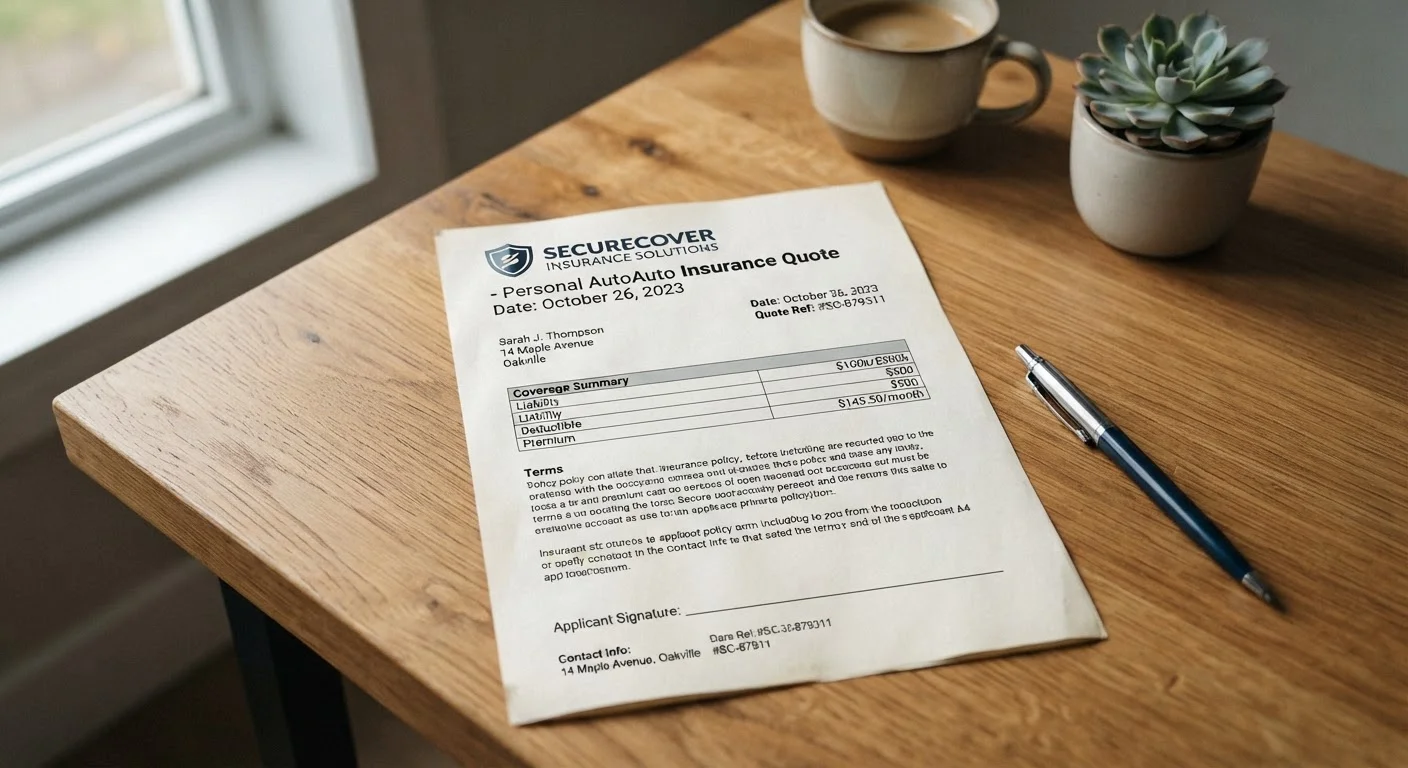
- A quote has four main areas: coverage types, coverage limits, deductibles, and premium.
- Higher deductibles typically lower your premium but increase your out-of-pocket cost after a claim.
- Coverage limits determine the maximum your insurer pays - not the value of your belongings or vehicle.
- Exclusions and endorsements change what a policy actually covers, so read them carefully.
- Comparing quotes accurately requires matching coverage types and limits across each quote.
What you will need
Why Quotes Feel Confusing (and How to Fix That)
Insurance quotes are designed to give you a legally compliant summary of an offered policy - they're not designed to be easy to read. The result is a document dense with abbreviations, dollar figures, and insurance terms that rarely get explained. Most people glance at the total premium, skip the details, and hope for the best. That approach works fine until a claim is denied because a coverage limit was too low or an exclusion applied.
The good news is that every quote follows the same basic structure. Once you know what each section is for, the document stops feeling overwhelming and starts looking like a checklist. If you've ever felt similarly confused reading other insurance documents, the same logic applies - our article on reading a life insurance policy covers how to approach that format.
What you will need
This article provides general insurance education and is not personalized insurance or financial advice. Coverage terms, exclusions, and availability vary by insurer and by state. Always read your actual policy documents and consult a licensed insurance agent or adviser for guidance specific to your situation.
What to Do After You've Read the Quote
Reading a quote carefully is the first step - comparing it with competing quotes is the next. Use the seven steps above to pull the same data points from each quote you receive, then set them side by side. If a quote is missing a coverage you want, or carries limits that seem low, ask the insurer or agent to revise it before you decide.
Insurance quote documents
The actual quote pages you'll be reading and comparing, either printed or as PDFs.
Comparison spreadsheet or notepad
Lets you line up coverage limits, deductibles, and premiums side by side across multiple quotes.
State insurance department website
Helps you verify minimum required coverage levels for your state and look up insurer complaint records.
If your employer offers a benefits window and you're also evaluating health coverage at the same time, the comparison discipline is similar - see our piece on picking a health plan without leaving money on the table for a parallel approach applied to medical coverage.
Once you have a policy, knowing how to use it matters just as much as understanding the quote. Our walkthrough on filing an auto insurance claim explains what happens from the moment of a loss through settlement.
When in Doubt, Ask Before You Buy
If any section of a quote is unclear, contact the insurer or a licensed independent agent before purchasing. Ask specifically: 'What would this policy NOT cover in this scenario?' Getting a plain-language answer upfront is far easier than disputing a denied claim later.