

Key Takeaways
- Document the scene thoroughly before moving vehicles or leaving the location.
- Report the incident to your insurer promptly - delays can complicate your claim.
- An adjuster will assess the damage and determine what your policy covers.
- Your deductible comes out of the settlement before the insurer pays the remainder.
- You have the right to dispute a settlement offer if you believe it is inaccurate.
What you will need
What the Claims Process Actually Involves
Filing a claim can feel overwhelming when you're already dealing with the stress of an accident or vehicle damage. The good news is that the process follows a predictable sequence, and knowing what to expect at each stage puts you in a much stronger position. If you're still getting familiar with what your policy covers in the first place, our first-timer's orientation to auto insurance is a useful starting point before you dive into the steps below.
The claims process moves through roughly three phases: gathering evidence, working with your insurer's adjuster, and reaching a settlement. Each phase requires something from you - information, cooperation, and ultimately a decision. The steps below walk you through each one in order.
What you will need
Smartphone camera
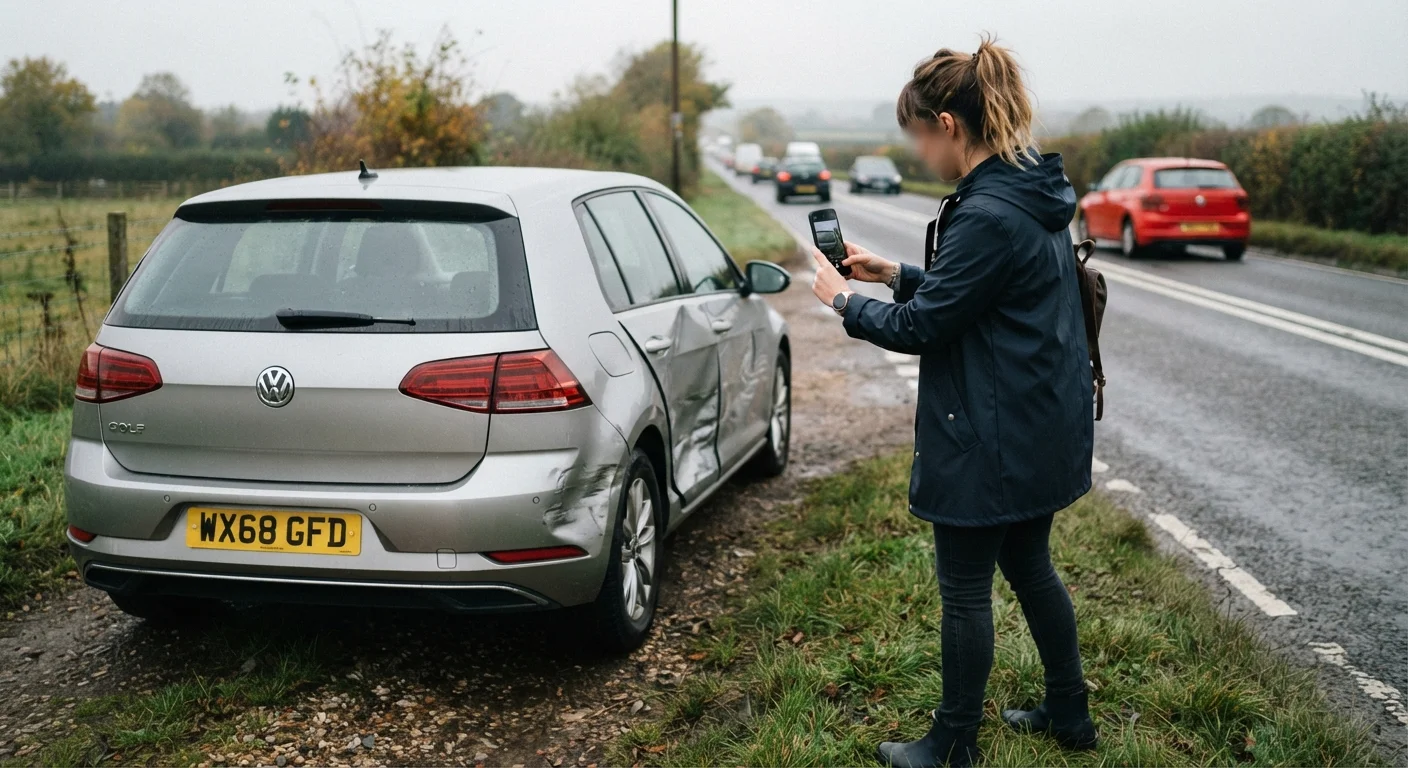
Photograph damage, license plates, road conditions, and the surrounding scene.
Auto insurance policy documents
Confirm your coverage types, deductible amounts, and claims contact information.
Vehicle registration and proof of insurance card
Exchange with other parties involved and provide to law enforcement if required.
Police report number
Reference the official incident report when submitting your claim to the insurer.
Repair estimates
Support your claim with independent cost assessments from licensed repair shops.
Step-by-Step: Filing Your Claim
Follow these steps in order. The earlier steps - especially documentation and timely reporting - have the most direct impact on how smoothly your claim is resolved.
Secure the scene and ensure safety
Before anything else, move to a safe location if possible and check that everyone involved is uninjured. Turn on your hazard lights and, if it is safe to do so, move vehicles out of active traffic. Call 911 if there are injuries or significant property damage - in many states, a police report is required for insurance claims above a certain dollar threshold.
Gather and exchange information
Collect the name, contact information, driver's license number, license plate, and insurance details from every other driver involved. Note the make, model, and color of each vehicle. If there are witnesses, ask for their names and phone numbers. Do not share more than your name, insurance company, and policy number with the other parties.
Document the damage and scene
Photograph every vehicle involved from multiple angles, close-up shots of specific damage, the road conditions, any traffic signs or signals, skid marks, and the broader intersection or roadway. The more visual evidence you capture now, the stronger your claim file will be. If your vehicle is drivable, do not repair it before your insurer's adjuster has a chance to inspect it.
Notify your insurance company
Contact your insurer as soon as reasonably possible - most have 24-hour claims hotlines and mobile apps that let you start a claim immediately. Provide a factual account of what happened: date, time, location, what occurred, and the information you collected. Avoid speculation about fault. Your insurer will assign a claim number, which you should record and reference in all future communications.
Work with the claims adjuster
Your insurer will assign a claims adjuster - either an employee or an independent contractor - to evaluate the damage and determine what your policy covers. The adjuster may inspect the vehicle in person, request additional photos, review the police report, and contact other parties or witnesses. Be responsive and honest; providing incomplete or inaccurate information can jeopardize your claim. Understand that the coverage types on your policy - collision, comprehensive, liability - determine what the adjuster can approve. For a plain-language breakdown of those coverage types, see what each coverage type actually protects.
Review the settlement offer
Once the adjuster completes their assessment, you will receive a settlement decision. This details what the insurer will pay and how your deductible applies - your deductible is subtracted from the total payout before the insurer covers the rest. Review the offer carefully. If your car is declared a total loss, the insurer will typically offer the vehicle's actual cash value, which accounts for depreciation.
Dispute or accept the decision
If you believe the settlement offer is inaccurate - for example, the repair cost estimate seems too low or the total-loss valuation does not reflect your vehicle's actual market value - you have the right to dispute it. Provide supporting documentation such as independent repair estimates or comparable vehicle listings. Most insurers have a formal appeals process, and some states offer mediation programs through their insurance regulatory offices. Once you accept the offer and sign any required releases, the claim is considered closed.
Keep a Claims-Ready Info Sheet in Your Glove Box
Write down your policy number, your insurer's claims phone number, and a quick checklist of what to photograph. Store it in your glove box so you have it if your phone is damaged or out of battery after an accident. A little preparation goes a long way when you're stressed at a scene.
Never Admit Fault at the Scene
Saying "I'm sorry" or accepting blame at the accident site can be used against you during the claims process, even if you were only being polite. Stick to exchanging information and let the insurers and investigators determine liability. Fault is a legal and insurance determination, not a conversation to have on the roadside.
Know Your Reporting Deadlines
Most policies require you to report a claim within a specific timeframe - sometimes as short as 24 to 72 hours. Waiting too long can give your insurer grounds to reduce or deny the claim. Check your policy documents or call your insurer as soon as possible after an incident.
After the Claim Is Closed
Once your claim is settled, it's worth reviewing whether your current coverage still fits your situation. A claim - especially one involving significant repairs or a total loss - is a natural moment to revisit your deductibles, coverage limits, and whether you're carrying the right mix of coverage types. Keep in mind that filing a claim may affect your premium at renewal; your insurer is required to notify you of any rate changes in advance.
If you have both auto and home insurance with the same provider, a claim on one policy can sometimes affect the other. Understanding the trade-offs of bundling can help you think through whether your current arrangement still makes sense. And if you want to make sure you're reading your renewal documents clearly, our guide to reading insurance quotes without getting lost covers the key line items to watch.
This article provides general information about the auto insurance claims process and is not legal, financial, or insurance advice tailored to your individual situation. Coverage, terms, and claim outcomes vary by policy and insurer. Always read your actual policy documents and consult a licensed insurance professional with questions about your specific coverage.