

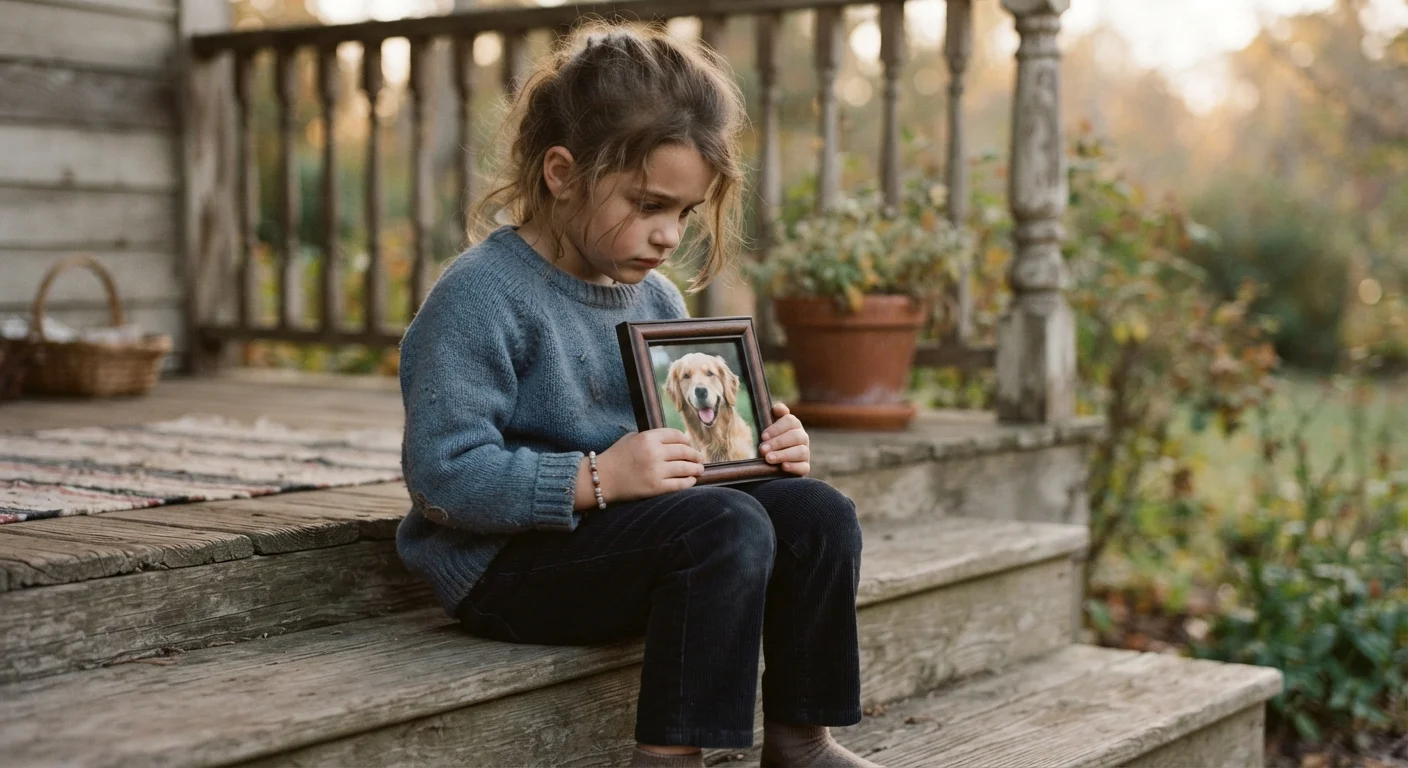
Key Takeaways
- Using honest, clear language about death helps children process loss more effectively than euphemisms.
- Grief after pet loss is a valid emotional experience for children of all ages and should not be minimized.
- Age-appropriate rituals like memorials can give children a healthy outlet for their feelings.
- Parents grieving alongside their children model healthy emotional expression.
- Professional support is available if a child's grief becomes prolonged or interferes with daily life.
Why Pet Loss Hits Families So Hard
For many American families, a pet is far more than an animal - they are a daily companion, a source of comfort, and often a child's closest confidant. When that pet dies, the grief can feel overwhelming, especially for younger family members encountering death for the first time.
Research in child development consistently shows that the death of a pet can be as emotionally significant for a child as the loss of a human loved one. The bond children form with animals is real, reciprocal, and deeply formative. Understanding this context is the first step families can take toward supporting one another through the experience. You can explore more about how children and animals build these bonds in our guide on raising kids and pets together.
Best Practices for Helping Children Through Pet Loss
There is no single right way to grieve, but certain approaches consistently help children feel supported, understood, and less alone. The practices below are grounded in child psychology and family counseling guidance.
Use honest, age-appropriate language about death from the very beginning.
Euphemisms like "passed away" or "went to sleep" can confuse young children and sometimes create new fears - for example, a child may become afraid of going to sleep themselves. Clear language, delivered with warmth, helps children build an accurate understanding of death as a natural part of life.
Validate your child's feelings without trying to fast-forward their grief.
Children grieve at their own pace and may cycle in and out of sadness, even appearing to play happily shortly after hearing the news. Telling a child to "cheer up" or "be strong" can send the message that their emotions are a problem to be solved rather than a natural response to loss.
Create a simple memorial or ritual to honor the pet's life.
Rituals give grief a container - a defined moment to acknowledge loss and celebrate what the relationship meant. Even small gestures give children a sense of agency and closure at a time when much feels out of their control.
Model healthy emotional expression by sharing your own grief openly.
When adults show children that it is acceptable - and even healthy - to cry or feel sad, they normalize the full range of human emotion. Children take cues from caregivers about how to handle difficult feelings.
Resist the urge to immediately replace the pet.
Bringing home a new animal right away, while well-intentioned, can send the message that grief should be skipped or that one life is interchangeable with another. Allowing adequate time to mourn honors both the relationship that was lost and the child's emotional process.
Starting the Conversation: What to Say and How
Many parents struggle most with the initial conversation. The instinct to protect children from pain is natural, but softening the truth too much - saying a pet "went to sleep" or "went away" - can create confusion, fear, or misplaced guilt.
Plain Language Makes a Real Difference
Child development experts generally recommend using the words "died" and "death" rather than softer phrases when talking to children about pet loss. While it may feel harder to say, direct language builds understanding and trust. Deliver it gently - honesty and warmth are not opposites.
When introducing the topic, choose a calm, private moment. Sit at the child's eye level, use simple and direct language, and invite questions without rushing to fill every silence. Saying something like, "Our dog died, and that means he won't be with us anymore. It's okay to feel very sad about that," gives children both truth and permission to grieve.
Older children and teenagers may need space to process privately before they want to talk, and that's equally valid. Check in without pressure, and make clear the door for conversation is always open.
When to Seek Additional Support
Most children move through pet loss grief naturally with family support. However, if a child shows persistent withdrawal, refuses to eat or sleep, expresses hopelessness, or their grief significantly disrupts school or friendships for more than a few weeks, it may be worth speaking with a pediatrician or child therapist. Grief support resources are also available through many school counselors and community mental health organizations.
Quick Actions Families Can Take Today
If you are currently navigating a pet's death or anticipating one, the steps below offer immediate, meaningful ways to begin supporting your child and yourself.
Understanding a pet's aging and health trajectory can also help families prepare emotionally before a loss occurs. Our overview of how pets age and change through life stages is a helpful starting point, as is our broader reference on pet care from puppyhood through senior years.
This article is for general informational and educational purposes only. If a child's grief is prolonged, severe, or significantly affecting daily functioning, please consult a qualified mental health professional for personalized guidance.