

Key Takeaways
- A household budget is a spending and saving plan, not a record of what you already spent.
- Budgets apply to every income level - they're tools for awareness, not just debt management.
- Fixed and variable expenses must both be accounted for in any realistic budget.
- A budget is flexible; it should be adjusted as your financial situation changes.
- The goal of a budget is financial clarity, not perfection or deprivation.
Household Budget
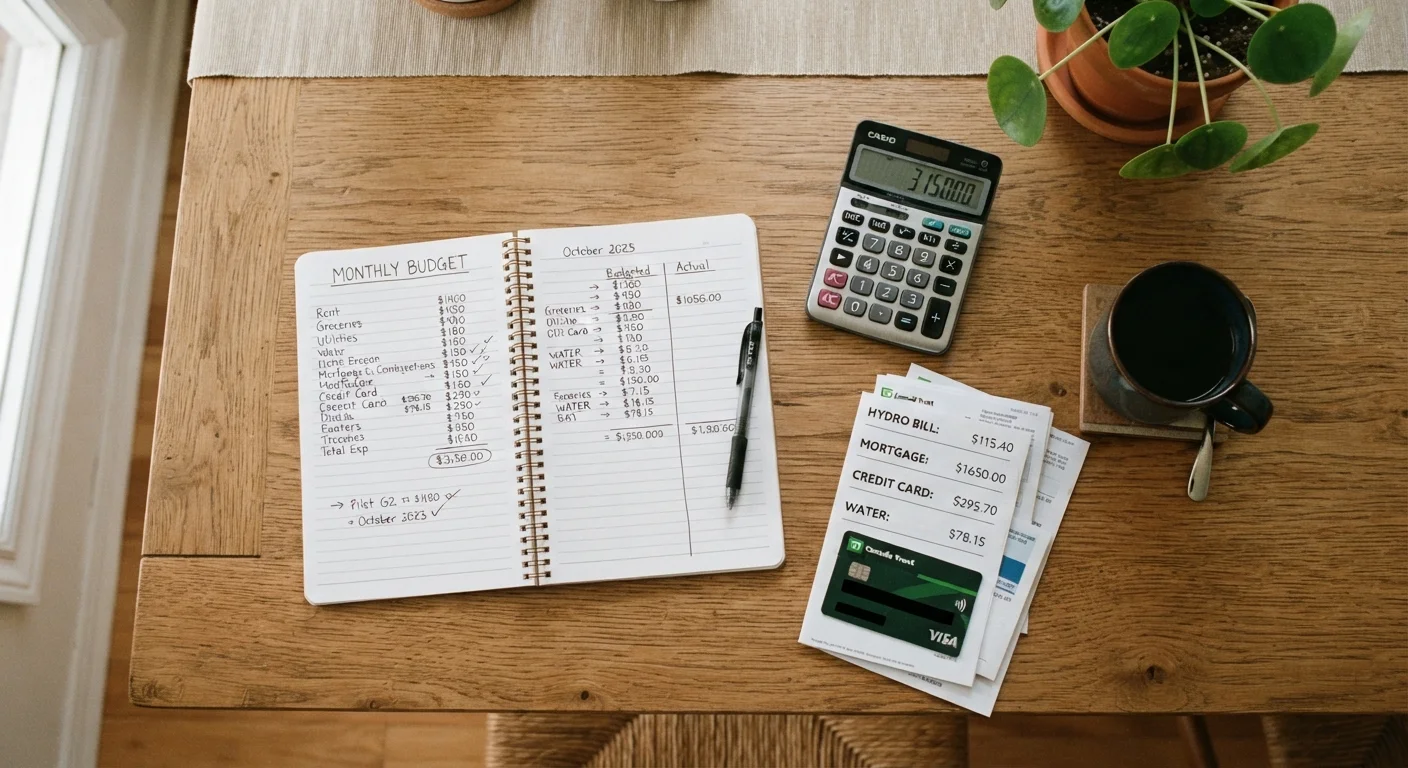
A household budget is a plan that matches your expected income against your expected expenses over a set period - usually one month. It shows where your money is coming from, where it's going, and how much (if anything) is left over. Think of it as a financial roadmap for your home, not a rigid set of rules.
In personal finance, a budget differs from a spending tracker: a tracker records past transactions, while a budget sets forward-looking targets. Both can work together.
The Core Idea: A Plan, Not a Record
A household budget is often misunderstood as a log of past spending - something you fill in after the fact to see where your money went. In reality, a budget is a forward-looking plan. You estimate what money will come in during a given period and decide in advance how to allocate it across your needs, wants, and savings goals.
That distinction matters. Tracking past spending is useful, but it's reactive. A budget is proactive - it puts you in the driver's seat before money moves, not after. Most household budgets cover a calendar month, since that aligns with how most bills and paychecks are structured in the U.S.
For a broader look at how American households typically divide up their spending, see where your money actually goes - it offers helpful context for setting realistic category targets.
~33%
Americans with a detailed monthly budget
Gallup polling has consistently found that only about one in three Americans reports maintaining a detailed household budget.
$6,000+
Average annual household spending on food alone
The U.S. Bureau of Labor Statistics Consumer Expenditure Survey shows food regularly ranks among the top three household expense categories.
70%
Share of income spent on fixed and essential expenses
Financial planners commonly observe that housing, transportation, and food together consume the majority of most American household budgets.
What Goes Into a Household Budget
A complete household budget has two sides: income and expenses. Income includes all money coming into the household - wages, freelance earnings, government benefits, child support, or any other regular source. The key is to use take-home pay (after taxes), not gross salary, since that's what you actually have to spend.
Expenses fall into two broad categories:
- Fixed expenses - costs that stay the same each month, such as rent or mortgage payments, car loans, insurance premiums, and subscription services.
- Variable expenses - costs that fluctuate, such as groceries, gas, utilities, dining out, and clothing.
One area many households underestimate is irregular or seasonal costs - annual fees, car registration, back-to-school supplies, holiday gifts. These don't appear every month, but they're entirely predictable if you plan ahead. The article on hidden costs that blow budgets breaks down exactly where these surprises tend to hide.
Start With Your Real Take-Home Pay
Always build your budget around your net income - the amount that actually lands in your bank account after taxes and deductions. Using your gross salary will make your budget look healthier than it is and lead to consistent shortfalls. If your income varies month to month, use a conservative estimate based on your lower-earning months.
What a Budget Isn't
Several persistent myths can put people off budgeting entirely. A budget is not a punishment, a sign of financial failure, or something reserved for people who are struggling. It's also not a rigid, unbreakable rulebook - it's a plan that should adapt to your actual life.
A budget doesn't require a spreadsheet, specialized software, or an accounting background. A piece of paper and a pencil can do the job just as well. And despite common assumptions, budgeting isn't only useful when money is tight. People at every income level use budgets to avoid waste, build savings, and work toward goals.
If some of these misconceptions sound familiar, common budgeting myths worth examining addresses them with evidence-based context.
Budgeting Looks Different for Every Household
There's no single correct way to budget. Popular frameworks like the 50/30/20 rule (50% needs, 30% wants, 20% savings) are useful starting points, but they're guidelines - not requirements. A household with high fixed costs in an expensive city will naturally need different allocations than one in a lower-cost area. What matters is that your plan reflects your actual circumstances, not a generic template.
How Budgets Function in Practice
In practice, a monthly household budget typically starts with listing all expected income, then subtracting all planned expenses. If income exceeds expenses, the surplus should be intentionally directed - toward savings, debt repayment, or a specific goal. If expenses exceed income, the budget reveals a shortfall that needs to be addressed before it becomes a problem.
Budgets also serve as a communication tool in multi-person households. When spending decisions are guided by a shared plan, there's less room for conflict over money because both people are working from the same set of expectations.
Maintaining a budget over time - reviewing it monthly, adjusting categories, and noting patterns - is where the real value accumulates. A single month of budgeting is informative; a year of budgeting is transformative. To go deeper on the practical side, the complete household budgeting playbook covers every stage from first dollar to long-term financial resilience.
This article provides general financial information for educational purposes only and is not personalized financial advice. Consult a qualified financial professional for guidance specific to your situation.