

Key Takeaways
- Chronic stress is a biological state, not just an emotional experience.
- Sustained stress hormones like cortisol can damage the heart, immune system, and brain over time.
- The body's stress response was designed for short bursts, not prolonged activation.
- Recognizing physical stress symptoms early can help prevent long-term health consequences.
- Lifestyle habits - including sleep and social connection - significantly influence your stress burden.
Chronic Stress
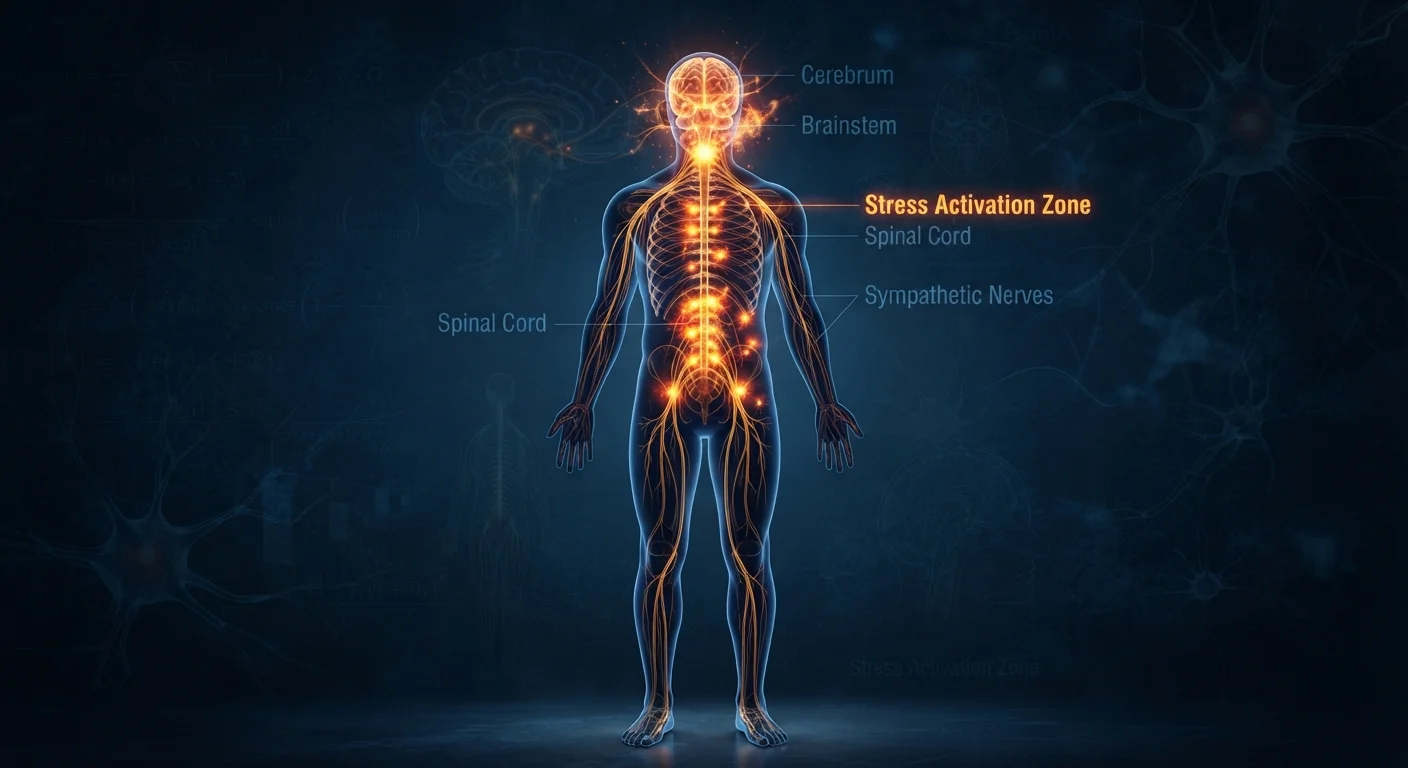
Chronic stress is a state of prolonged psychological and physical tension that persists for weeks, months, or longer. Unlike short-term stress that resolves after a challenge passes, chronic stress keeps the body in a sustained state of high alert. Over time, this continuous activation strains multiple organ systems and disrupts normal biological function.
Physiologically, chronic stress is characterized by dysregulation of the hypothalamic-pituitary-adrenal (HPA) axis, resulting in persistently elevated cortisol and altered autonomic nervous system balance.
Your Body's Alarm System - And Why It Gets Stuck On
When you encounter a threat - whether it's a near-miss in traffic or a looming work deadline - your brain triggers the fight-or-flight response. The hypothalamus signals the adrenal glands to flood the bloodstream with stress hormones, primarily cortisol and adrenaline. Heart rate climbs, blood pressure rises, muscles tense, and digestion slows. The body is primed to act.
This response is adaptive. In short doses, it sharpens focus and enables fast physical action. The problem begins when the stressor doesn't resolve - or when new ones keep arriving before recovery happens. The alarm stays on. Hormones that were meant to spike and subside instead remain chronically elevated, and the biological cost compounds over time.
To understand the full picture of the hormones involved, see our plain-language guide to cortisol and adrenaline.
77%
Adults reporting physical stress symptoms
According to the American Psychological Association's Stress in America survey, approximately 77% of adults regularly experience physical symptoms they attribute to stress.
2-3×
Increased cardiovascular risk with chronic stress
Research published in peer-reviewed cardiology literature suggests chronically high psychological stress roughly doubles to triples the risk of certain cardiovascular events compared to low-stress individuals.
~30%
Reduction in immune cell activity under chronic stress
Studies in psychoneuroimmunology have found meaningful suppression of natural killer cell activity in people experiencing sustained psychological stress.
What Prolonged Stress Does to Your Major Systems
Chronic stress doesn't confine its effects to mood. It reaches into nearly every organ system in the body through hormone signals, inflammation pathways, and nervous system dysregulation.
Heart and Cardiovascular System
Sustained high cortisol keeps blood pressure elevated and increases levels of LDL cholesterol. Over years, this contributes meaningfully to the risk of hypertension, heart attack, and stroke - even in people with no prior cardiac history.
Immune Function
Cortisol is a natural anti-inflammatory, which sounds helpful - but chronic elevation actually suppresses immune surveillance. White blood cell activity diminishes, inflammatory markers rise over the long term, and the body becomes less effective at fighting infection and healing tissue.
Digestive Health
The gut and brain are deeply connected via the vagus nerve. During sustained stress, digestion slows or becomes irregular. Many people experience nausea, bloating, or changes in bowel habits during prolonged stress periods. Research also links chronic stress to worsening of conditions like irritable bowel syndrome.
Brain Structure and Cognitive Function
Perhaps the most striking biological finding is stress's effect on the brain itself. Chronically elevated cortisol is associated with reduced volume in the hippocampus - the region central to memory and emotional regulation. This helps explain why people under chronic stress often report memory lapses, difficulty concentrating, and heightened emotional reactivity.
Inflammation: The Hidden Link
One reason chronic stress affects so many body systems is systemic inflammation. Sustained stress signaling prompts immune cells to release pro-inflammatory compounds called cytokines. While short-term inflammation supports healing, chronic low-grade inflammation is associated with a wide range of conditions including metabolic disease, depression, and accelerated cellular aging. Researchers view this inflammatory pathway as a key mechanism connecting psychological stress to physical disease.
The Stress-Sleep-Mood Loop
One of chronic stress's most self-reinforcing mechanisms involves sleep. Stress disrupts sleep architecture - particularly the deep, restorative stages - by keeping cortisol levels elevated at night when they should naturally be falling. Poor sleep then increases emotional reactivity and reduces the brain's capacity to regulate the stress response the following day.
The result is a feedback loop: stress degrades sleep quality, and inadequate sleep amplifies stress sensitivity. Over time, this cycle can accelerate the physical wear described above, while also quietly eroding mood and resilience. Our article on sleep deprivation's effect on mood explores this research in more depth.
Similarly, patterns that quietly undermine mental well-being - like social withdrawal or over-reliance on caffeine - can make the stress cycle harder to break without conscious attention.
“The perception of stress - not just the event itself - is what activates the biological stress response. How we interpret and process challenges shapes the physiological toll they take.”
— Robert Sapolsky, Neuroendocrinologist and professor, Stanford University
Recognizing the Signs and Taking Meaningful Steps
Because chronic stress builds gradually, many people adapt to it without realizing how much biological strain has accumulated. Common physical signals worth taking seriously include persistent fatigue that sleep doesn't resolve, frequent illness, unexplained digestive trouble, jaw tension or headaches, and a sense of being constantly wired or on edge.
If your body is also sending signals around physical effort and recovery, it may be worth reading about signs your body needs a rest day - overtraining and chronic stress can compound one another.
Evidence-based tools for reducing the physiological burden of stress include:
- Consistent sleep routines that support natural cortisol rhythms
- Regular moderate exercise, which helps regulate the HPA axis
- Mindfulness and relaxation practices shown to lower resting cortisol
- Maintaining social connection, which activates calming neurochemical pathways
Building a structured self-check habit can also help you catch stress accumulation before it becomes a health problem. Our weekly mental wellness check-in is designed to do exactly that.
Small Habits Create Measurable Change
You don't need a dramatic lifestyle overhaul to begin reducing the physiological burden of chronic stress. Research suggests that even 10-20 minutes of daily relaxation practice - such as slow breathing, gentle movement, or quiet time in nature - can support healthier cortisol patterns over time. Consistency matters far more than intensity. For a broader framework, our comprehensive mental wellness guide covers the core pillars in practical terms.
This article is for general informational and educational purposes only and is not a substitute for professional medical advice, diagnosis, or treatment. Always consult a qualified healthcare provider about any symptoms or health concerns you may have.